
The full collection.
Browse our published articles by date, topic or keyword.
134 ARTICLES
NEWEST FIRST
Pages, “load more” or infinite scroll: decide by what people do next
The right way to grow a long list depends on what people do after finding an item. How pagination, load more and infinite scroll differ for position, keyboards, screen readers and search.
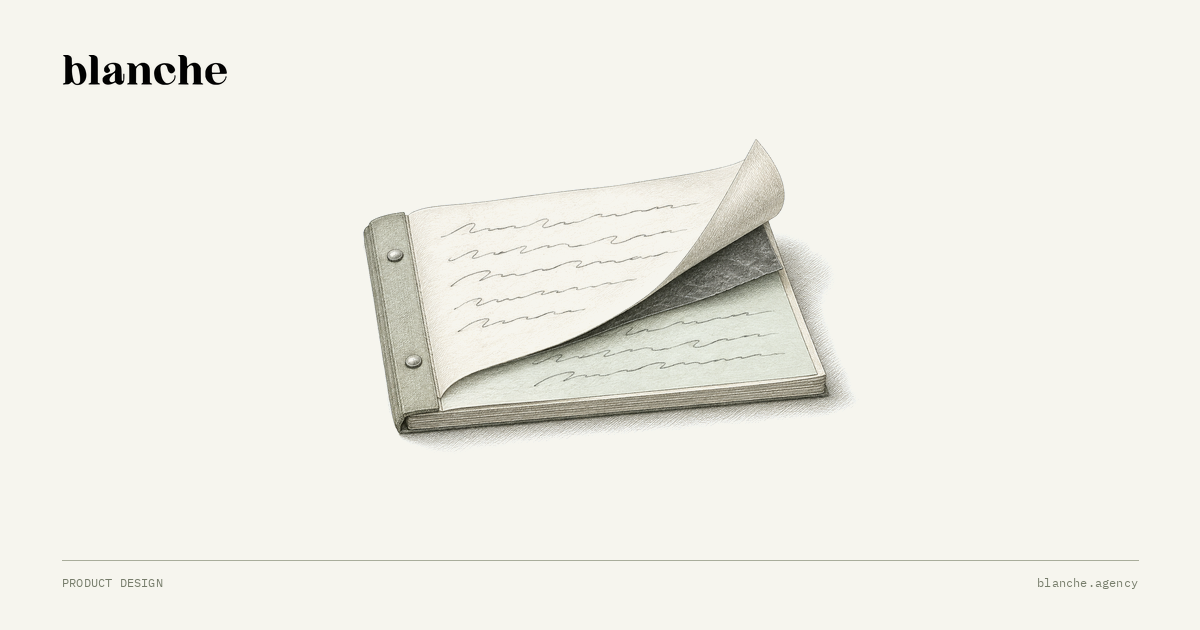
Never make people type the same thing twice
WCAG 2.2 Redundant Entry asks products to prefill or offer what people already told them in the same process. What it requires, its exceptions and how to keep a confirmation without retyping.
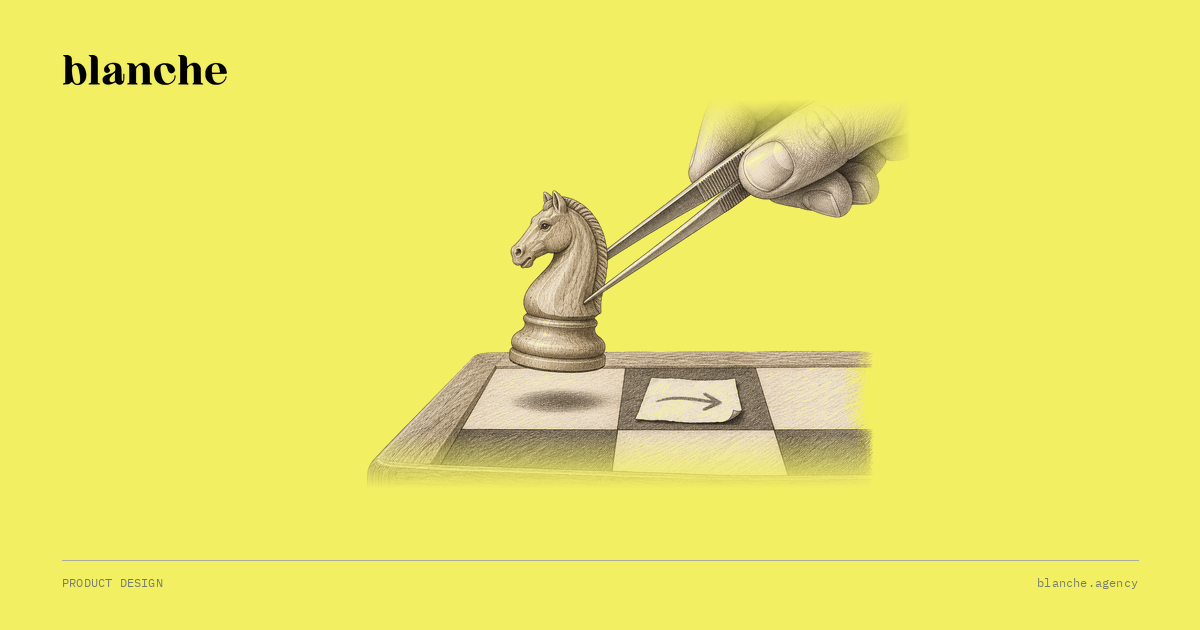
Every drag needs a second way to move
WCAG 2.2 asks that anything done by dragging can also be done with simple taps or clicks. Why keyboard support does not settle it, and how the second path can become the better one.
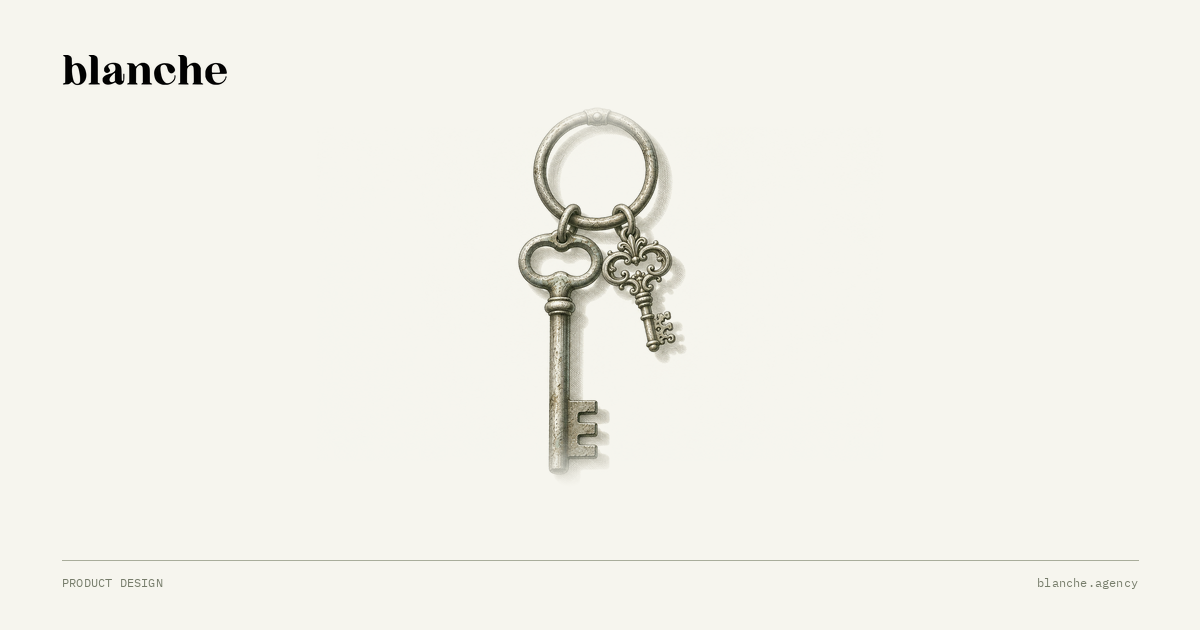
Password rules that make accounts weaker
Composition rules and forced rotation feel secure and produce predictable passwords. What NIST’s 2025 guidance asks for instead: length, a blocklist and room for password managers.

A session timeout should not cost people their work
The timeout is a security decision; losing the form is a design decision. Warn before it ends, make staying easy and keep the work across sign-in.

A disabled button should not be a riddle
A greyed-out button hides the rule that disabled it. Keep primary buttons active, validate on submit and say what is missing.

An empty screen should say which kind of empty it is
First use, no results, cleared and unavailable look alike but need different words and next steps. Start by naming the cause.
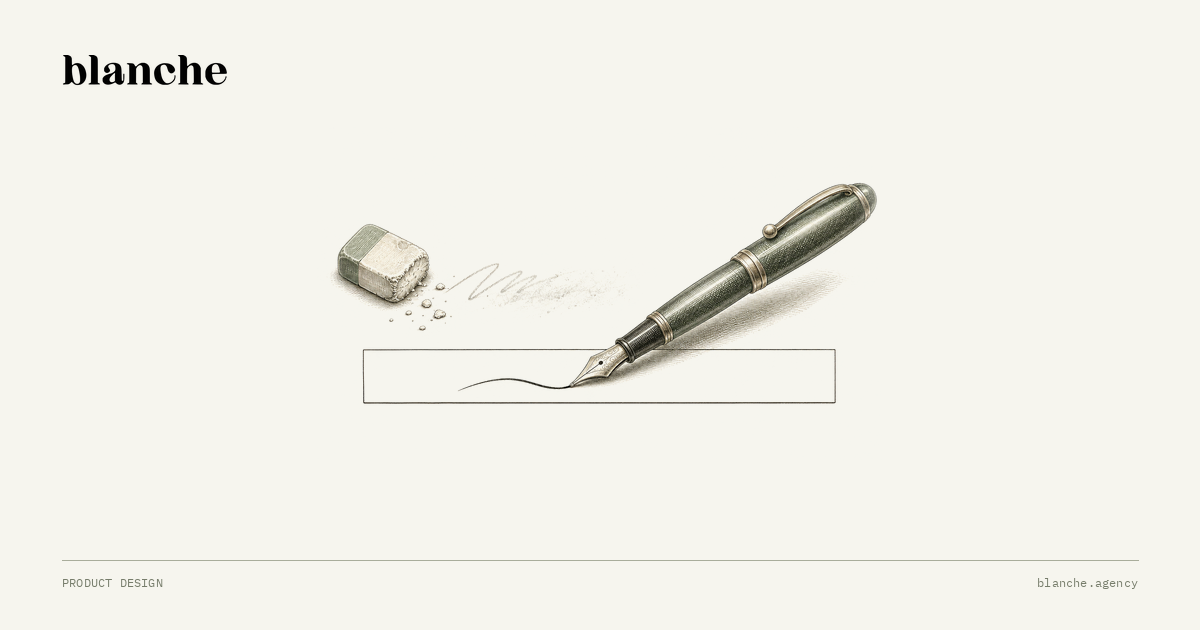
A placeholder is not a label
Placeholder text disappears at the moment people start typing. Keep labels and hints visible, and treat the placeholder as optional.

Design the return to unfinished work
A useful return journey explains what is saved, what still needs attention and which action will actually submit the work.
A date field is three product decisions
Choose a date input around what someone knows, what they need to choose and what the service will do with the answer.
Design the upload before asking for the file
The upload starts before the picker opens and ends after the progress bar. Make both sides of that journey clear.
Passkeys still need a way back in
A cleaner sign-in screen is only half the job. Design the lost-device journey before removing the password.
Cheaper AI is a product decision, not just a smaller bill
Haiku 5.5 cuts token prices. The useful test for a product team is what happens to accepted results, review time and the complete cost of a task.
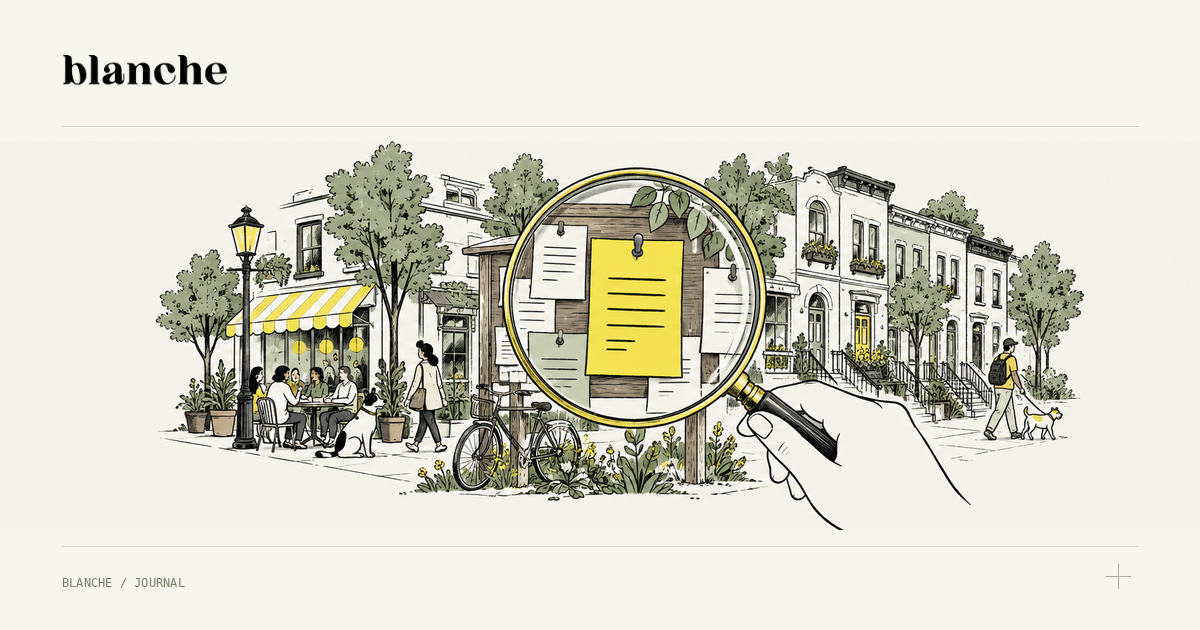
Before AI writes more, let it help you notice more
A local newsroom offers a useful starting point for founders and creative teams: use AI to uncover worthwhile leads, then keep the judgment with people.
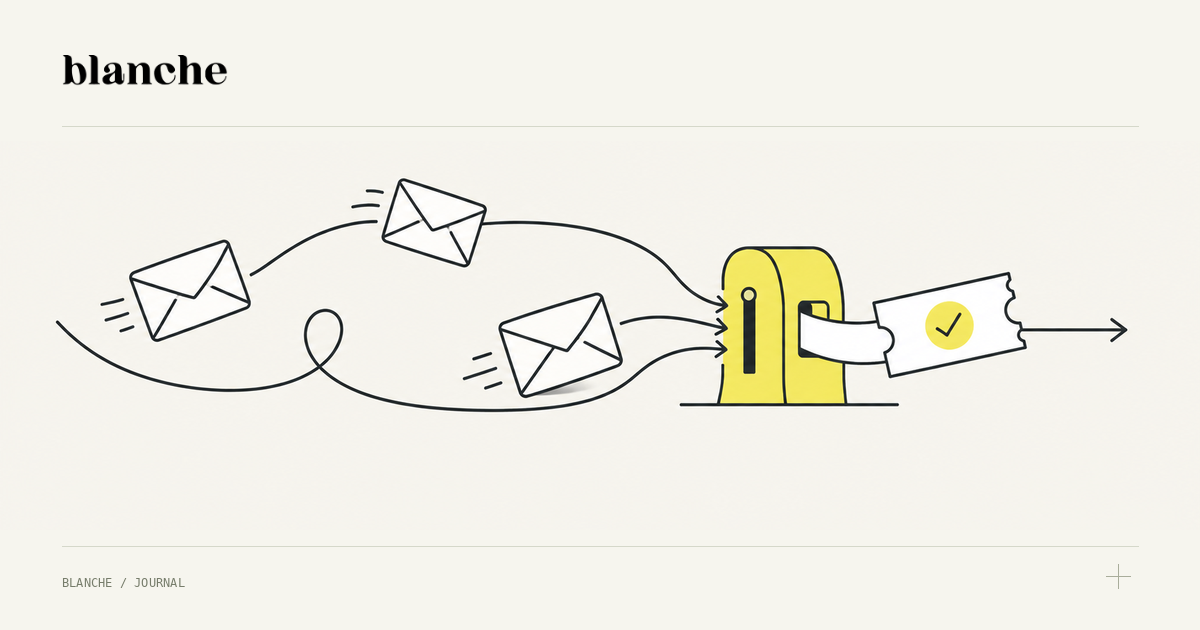
A retry button is a promise your backend has to keep
A timeout leaves the outcome uncertain. Design retries around one user intent, durable operation records and a recovery path that avoids duplicate work.
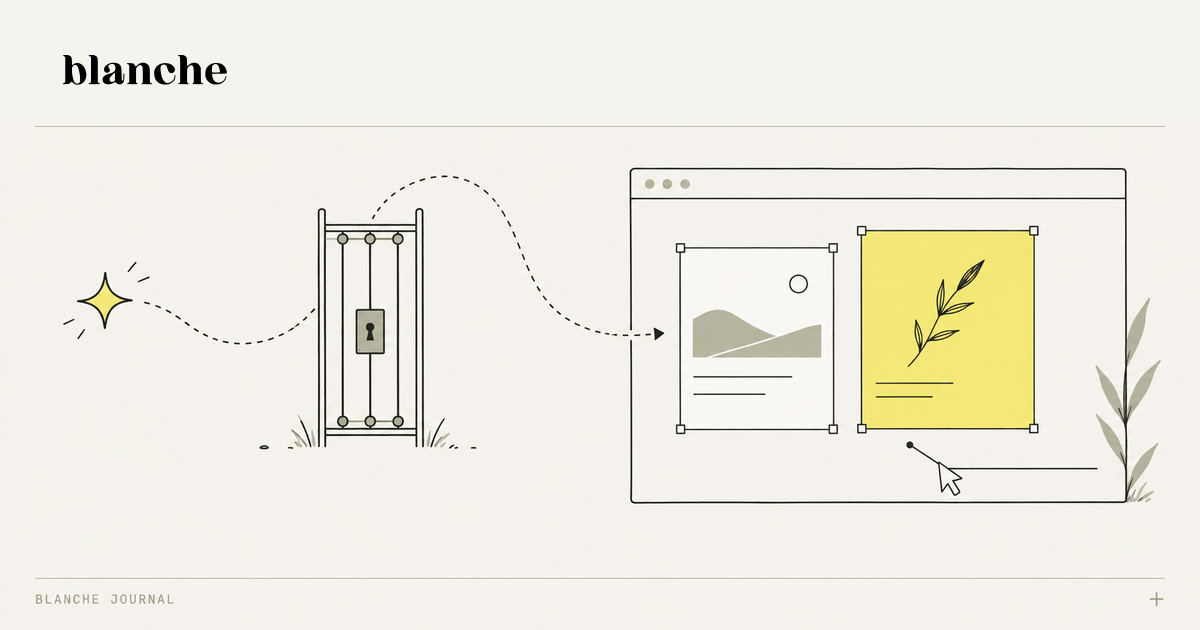
Figma is dead if it prices out the agents
Opinion: Figma’s next pricing decision could send AI-first designers to Paper. What the MCP limits, real adoption data and $34M funding round actually mean.
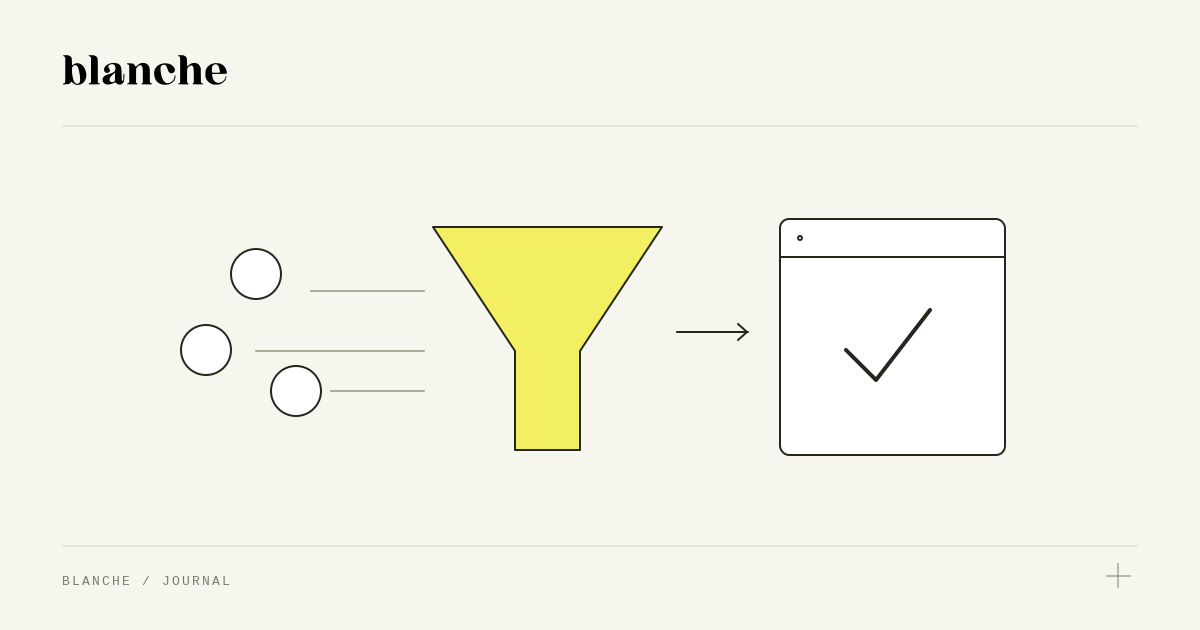
MVP Development: Validate an Acquisition Channel Before Launch
Before building an MVP, test a realistic path to your first users. Connect product scope to demand and distinguish sign-ups from real commitment.
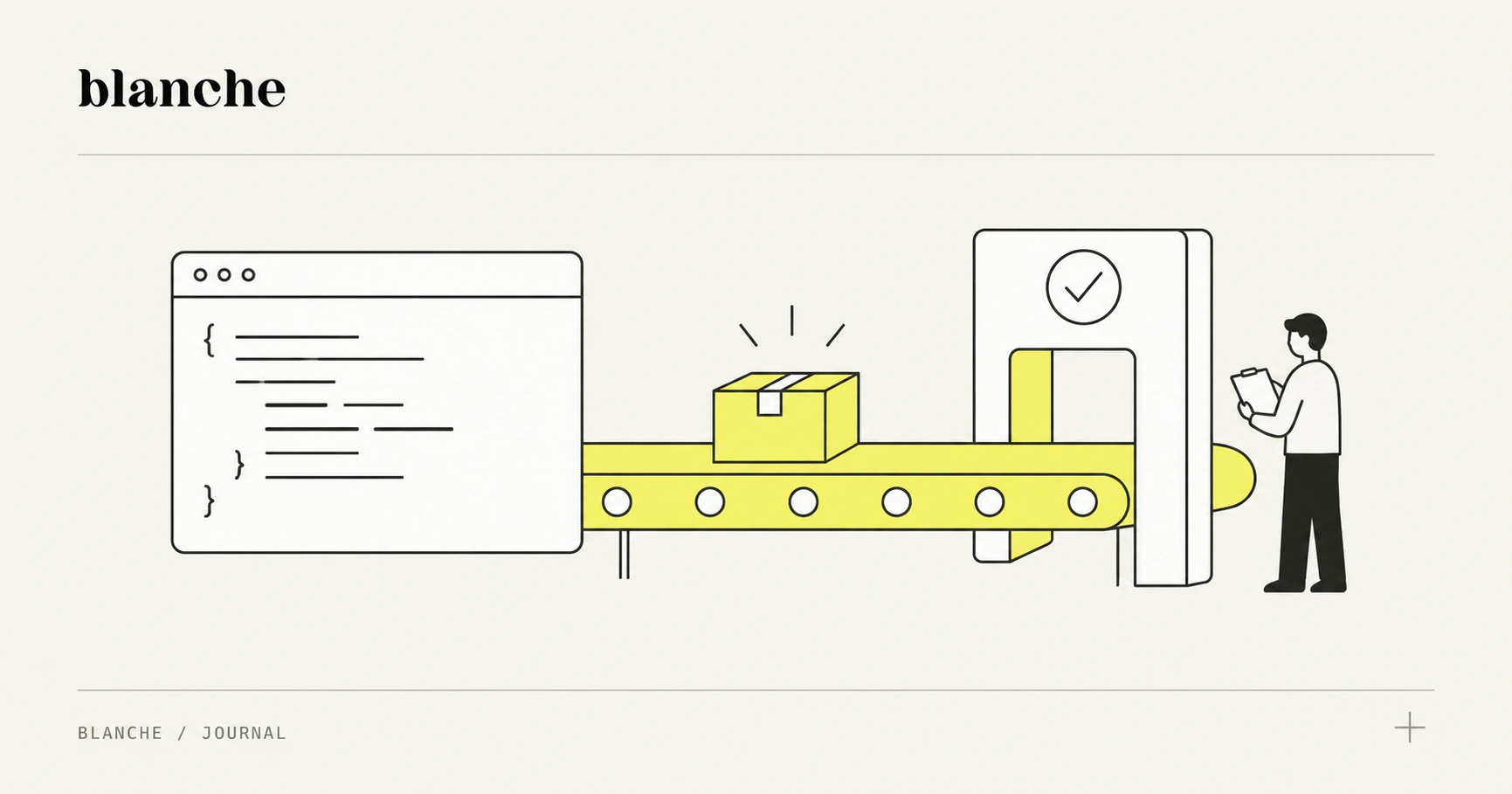
Developer workflows: what to automate before building a platform
Learn which delivery steps to automate first, how to reuse CI workflows safely, and when a platform becomes justified for a small product team.
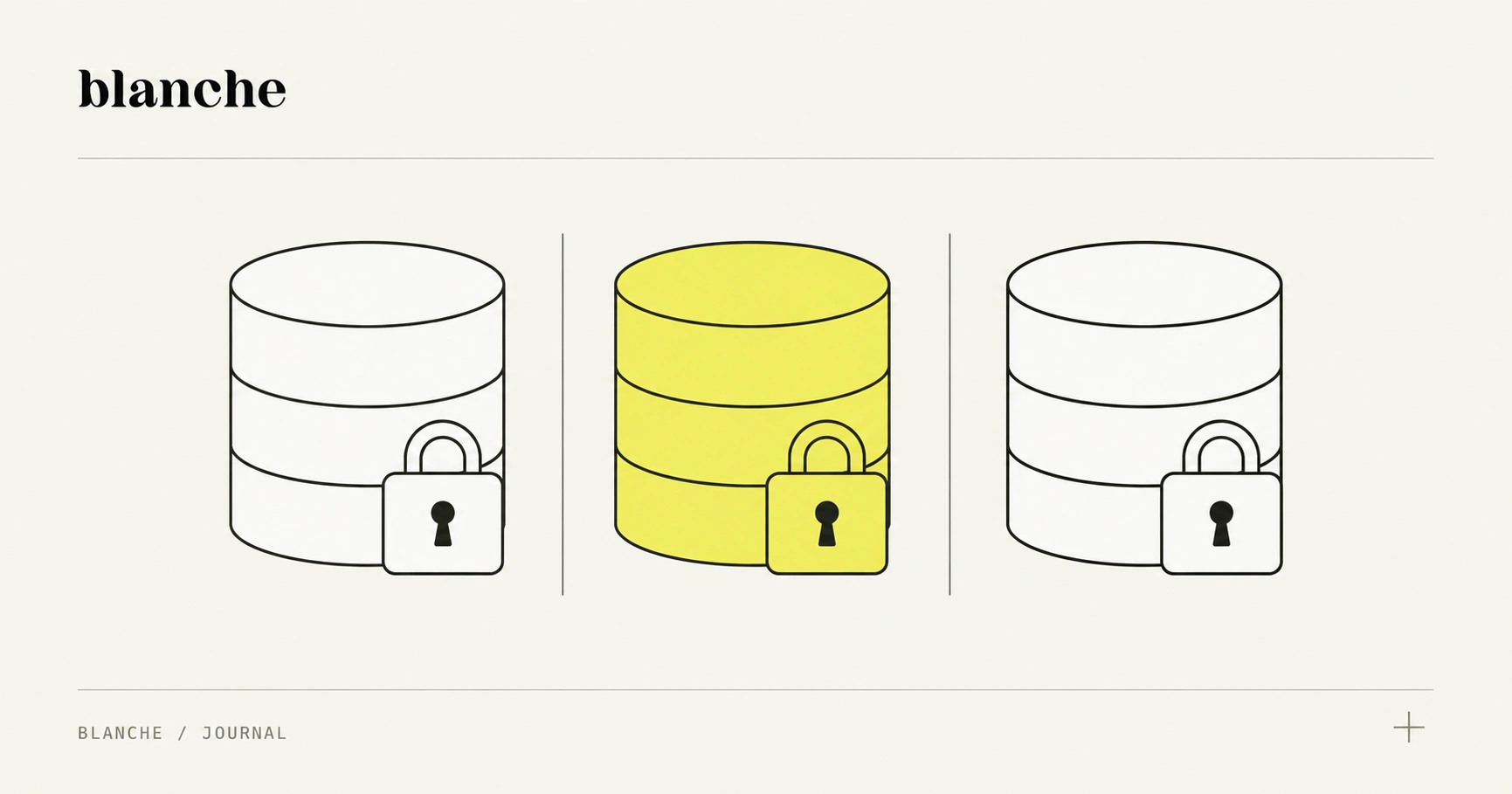
SaaS Multi-Tenancy: Choose the Right Data Isolation Model
Compare shared tables, schemas and databases for a SaaS MVP. Choose an isolation model, enforce tenant access and test boundaries before launch.
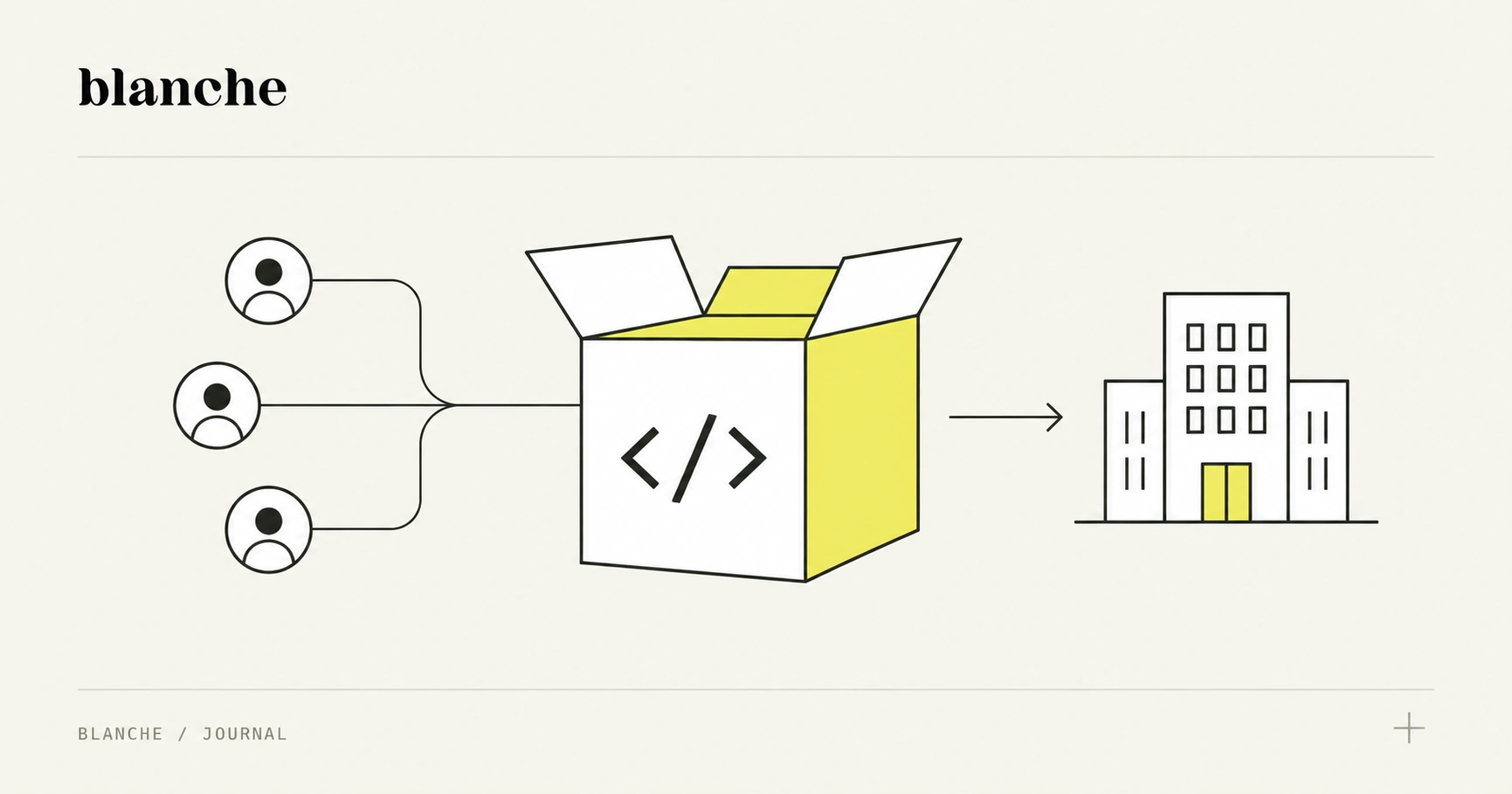
Open source as a developer funnel
The most capital-efficient developer-tool companies aren't buying their way into enterprise accounts — they're letting engineers smuggle their product in through GitHub. Here's the exact playbook they're running.
20 / 134 ARTICLES
Load more articles