
The full collection.
Browse our published articles by date, topic or keyword.
134 ARTICLES
NEWEST FIRST
Venture studios, accelerators, agencies
The lines between venture studios, accelerators, and creative agencies are blurring — but their equity structures, founder experiences, and actual track records are wildly different. Here's the honest comparison the brochures don't publish.
Design for global performance at the edge
Edge computing promises sub-100ms experiences for users everywhere on the planet — but most teams ship slower apps after adopting it. Here's the honest, benchmark-backed guide to getting edge right.
Sell design systems, not websites
The agencies winning the biggest retainers in 2024 aren't selling homepages — they're selling the factory that makes homepages. Here's exactly how to reframe your offering and command 3–5x more revenue per client.
Build AI around a real business workflow
The most defensible AI companies of this decade won't be remembered for their demos — they'll be remembered for owning the one workflow step nobody could afford to rip out. Here's how to build that kind of business before you write a single line of code.
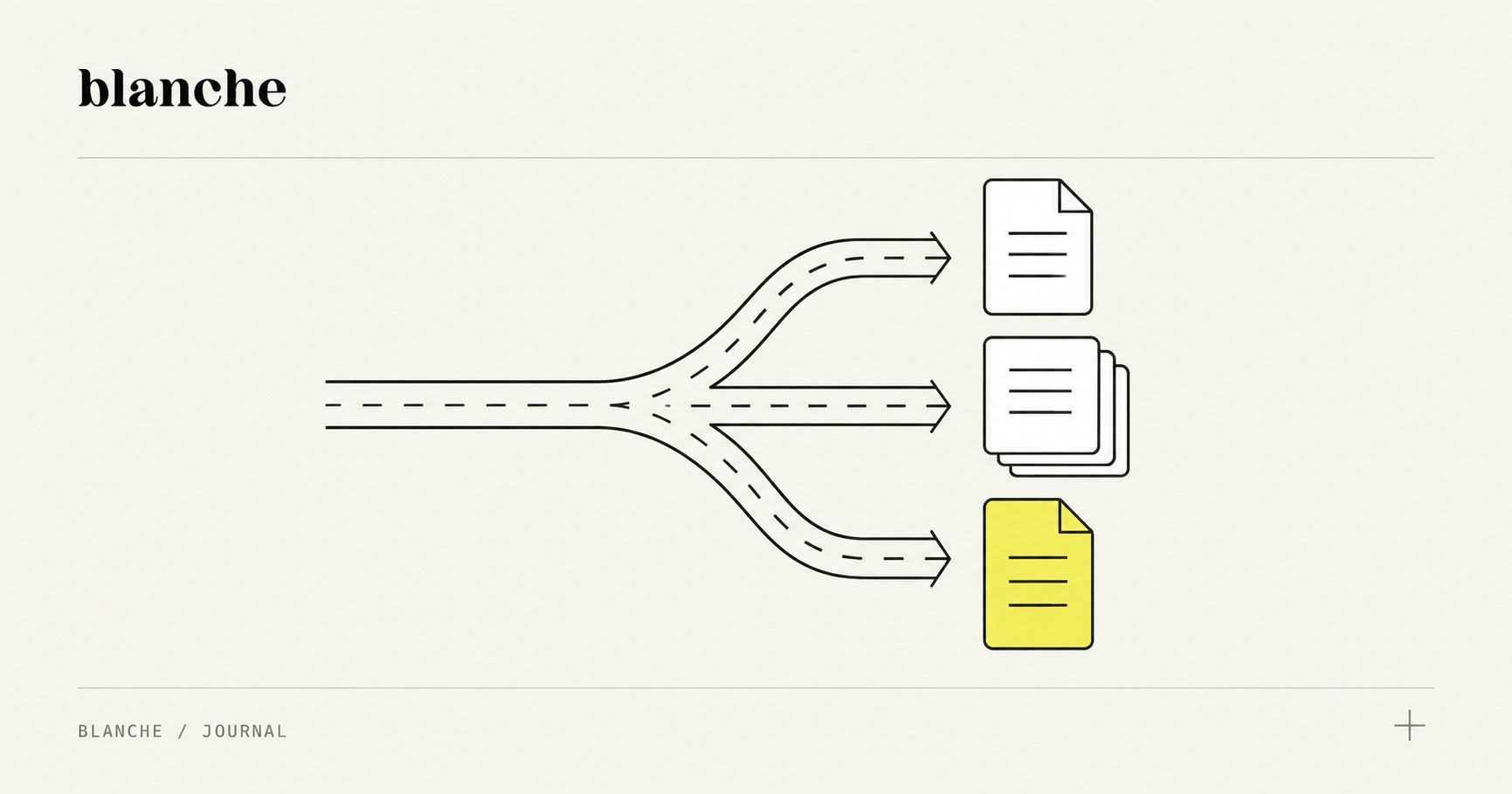
Choose the rendering model for each route
If every page on your site uses the same rendering strategy, you’re probably paying too much—or shipping avoidable latency. Here’s a decisive framework for choosing SSR, SSG, ISR, streaming, or edge rendering per page based on cost, SEO, complexity, and real-world performance.
Design lightweight web interactions
Web motion is back—but the best work isn’t louder, it’s smarter. Here’s how to design micro-interactions that improve comprehension, stay compositor-friendly, respect reduced-motion preferences, and fit inside a practical per-page motion budget.
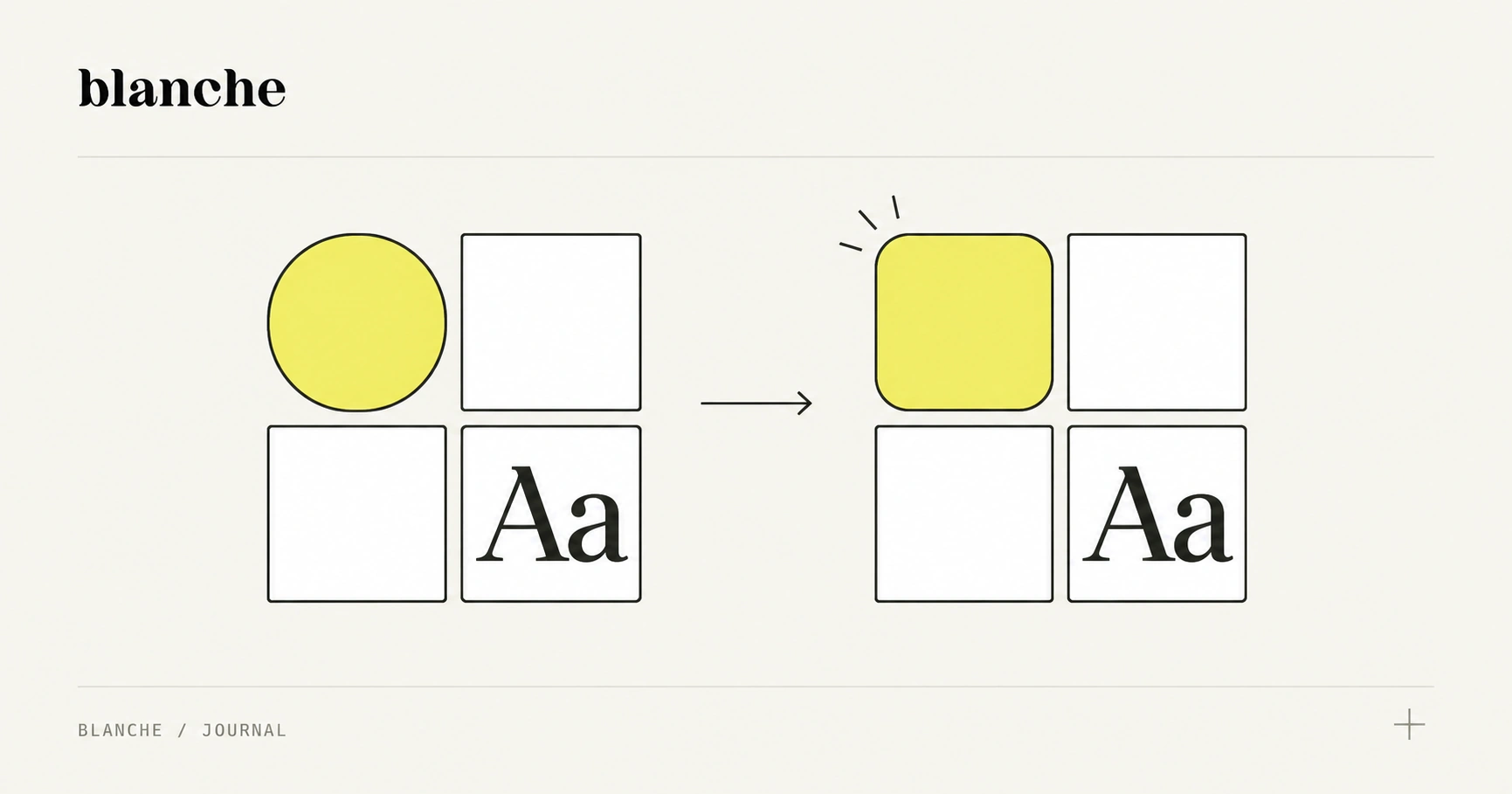
Design tokens that make change manageable
Most client “quick tweaks” don’t break your UI—they break your system. Here’s a pragmatic agency playbook for token-first foundations, CSS-variable enforcement, and a handoff workflow that keeps everyone aligned when changes land late and loud.
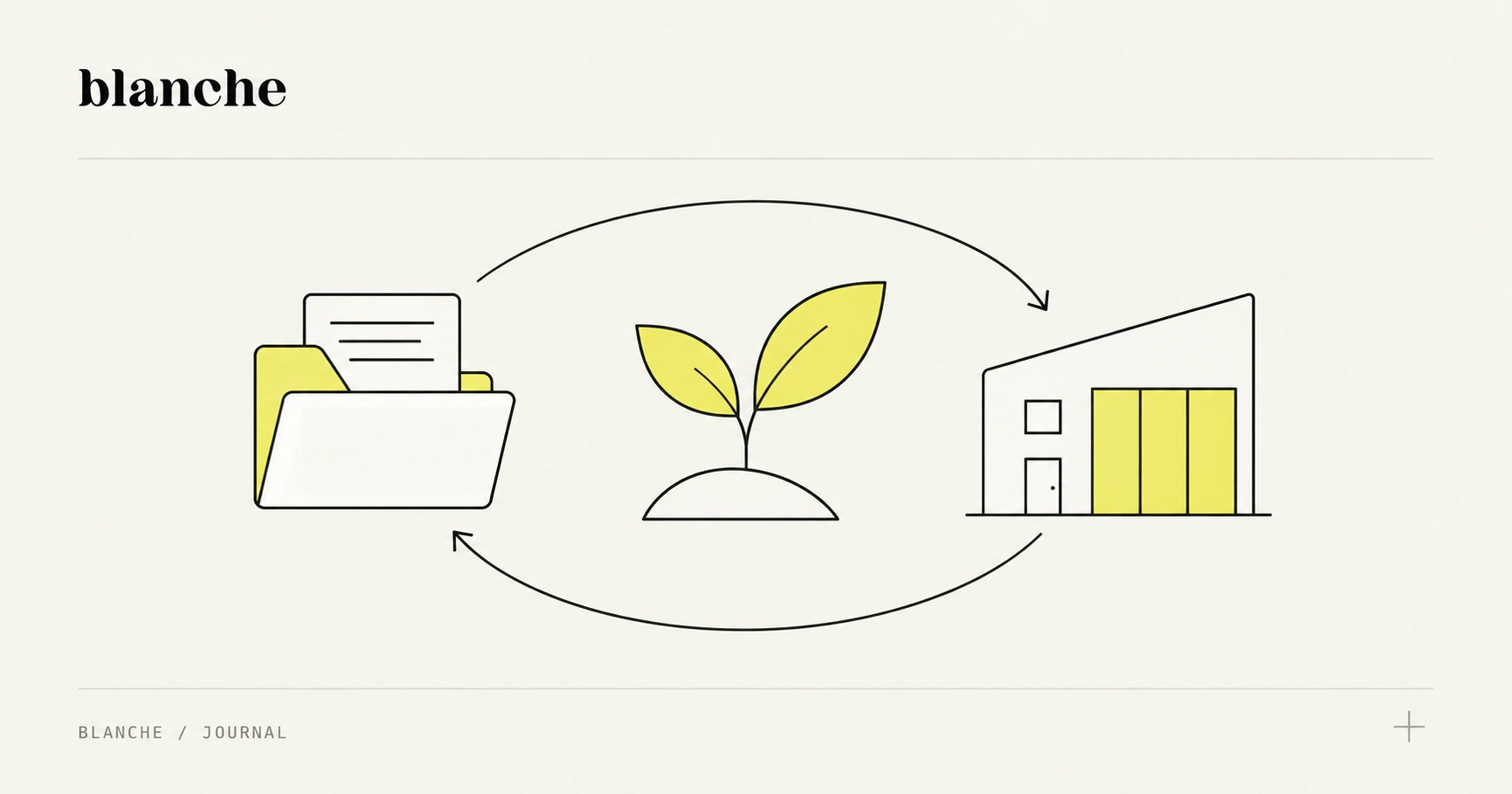
A self-funding studio operating model
Most agencies try to “start a product” the same way they start a website: custom, urgent, and under-scoped. A venture studio that funds itself is the opposite—capacity-protected, thesis-driven, and ruthless about killing the wrong bets early.
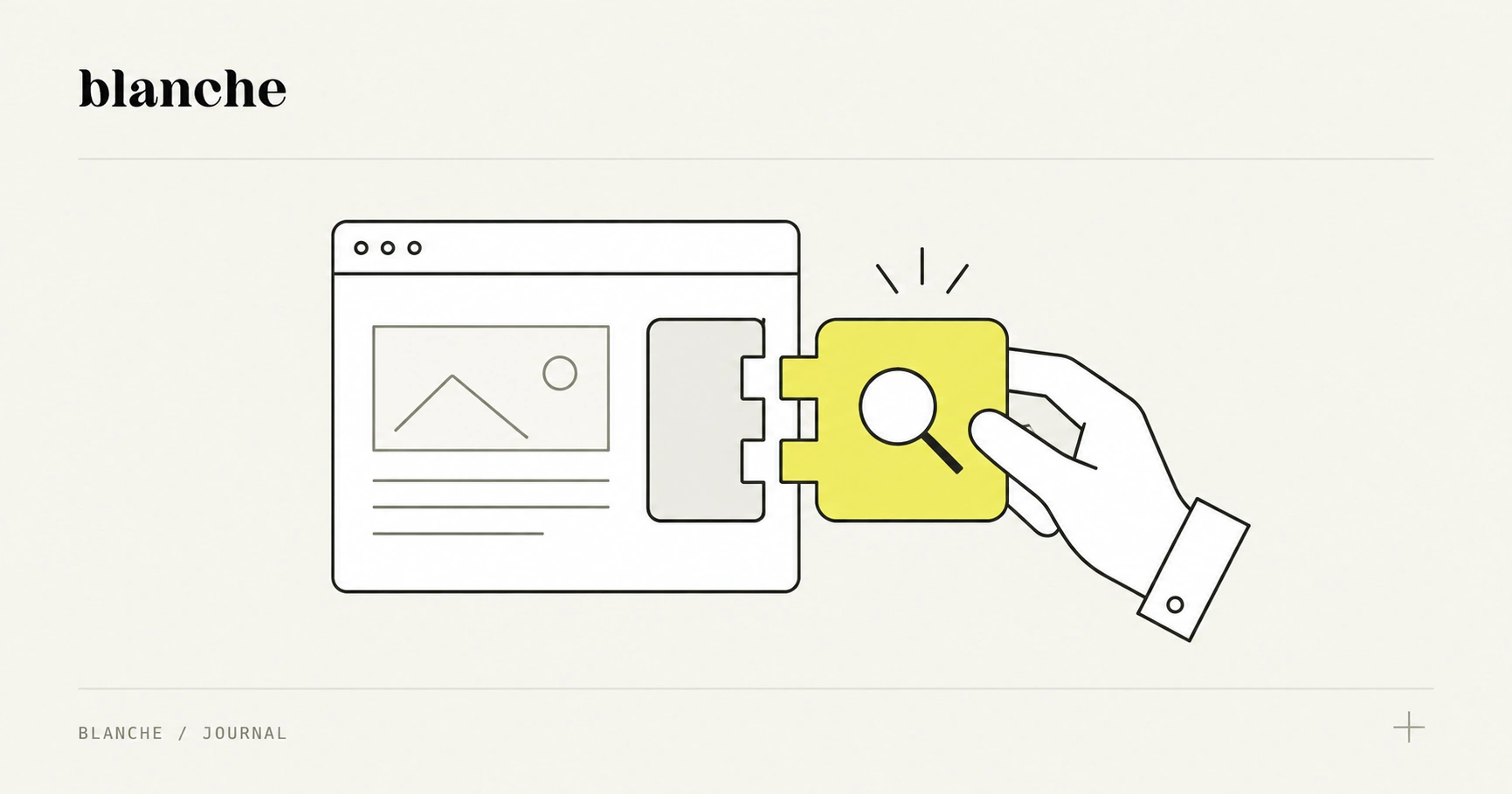
Prepare your website for useful AI features
If your website can’t answer questions, find the right page, or tailor the next step, it’s quietly losing revenue. Here’s a practical architecture to add AI assistants, semantic search, and personalization—without rebuilding your entire stack.
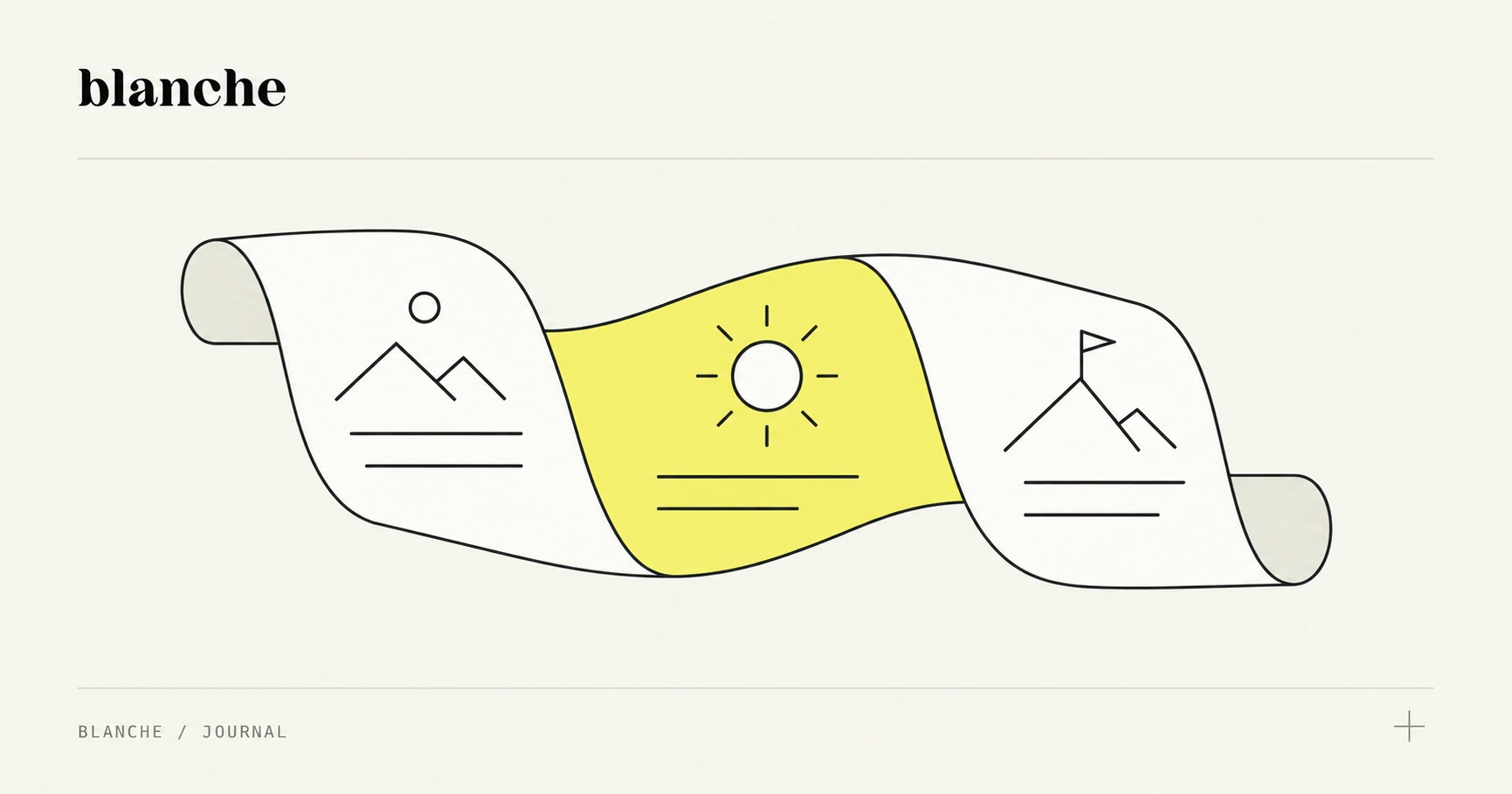
Tell stories on scroll without the jank
Cinematic scroll experiences don’t have to tank Core Web Vitals—or accessibility. Here’s how agency teams can choose the right animation stack, architect stable timelines, and ship scrolltelling that feels premium on every device.
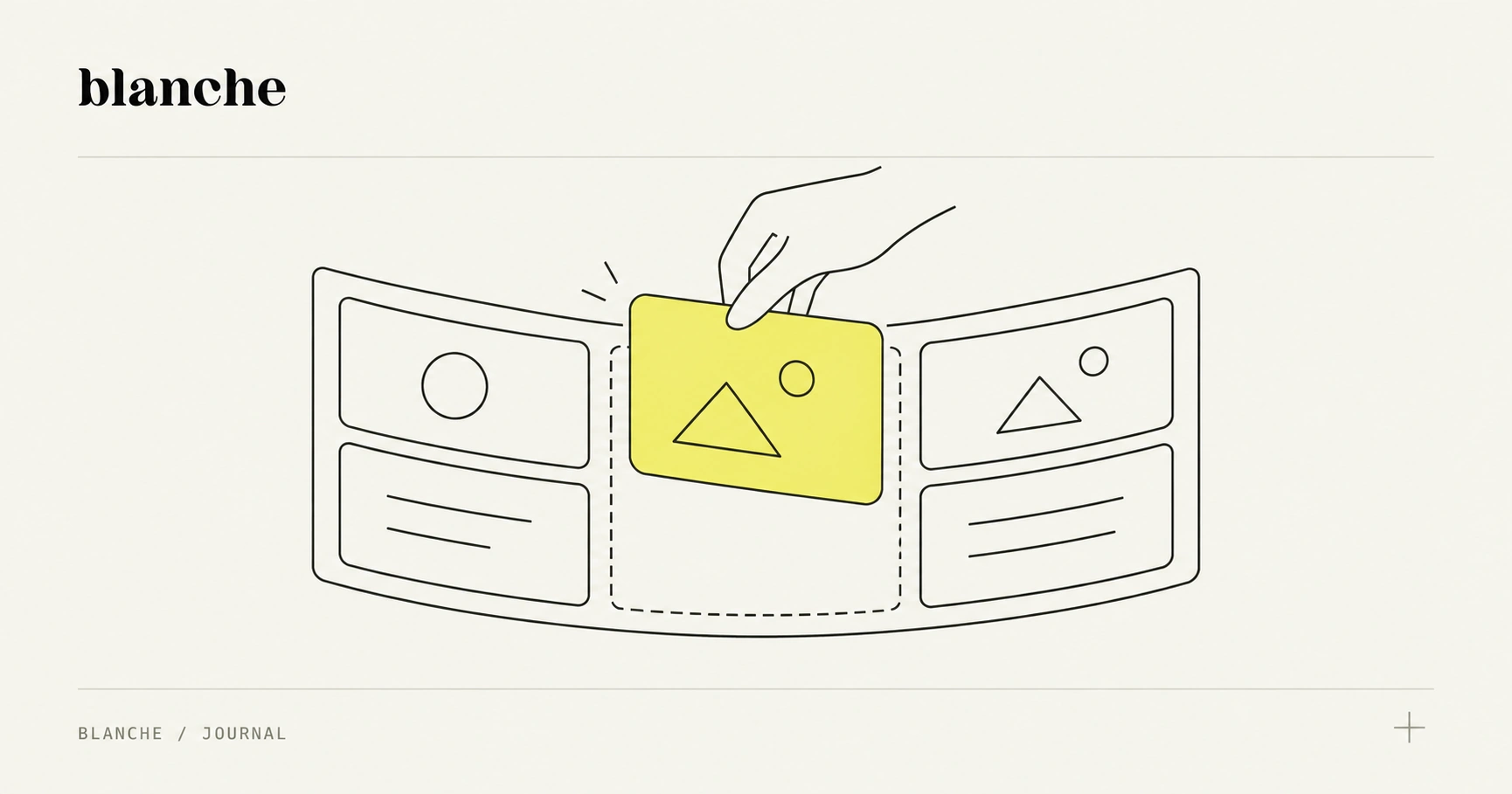
Keep an agency design system adaptable
Most agency design systems fail the moment a real client timeline hits—either they turn into a rigid rulebook or a dusty Figma file nobody trusts. Here’s a pragmatic playbook for building a living system that speeds delivery while leaving room for brand-specific creativity.
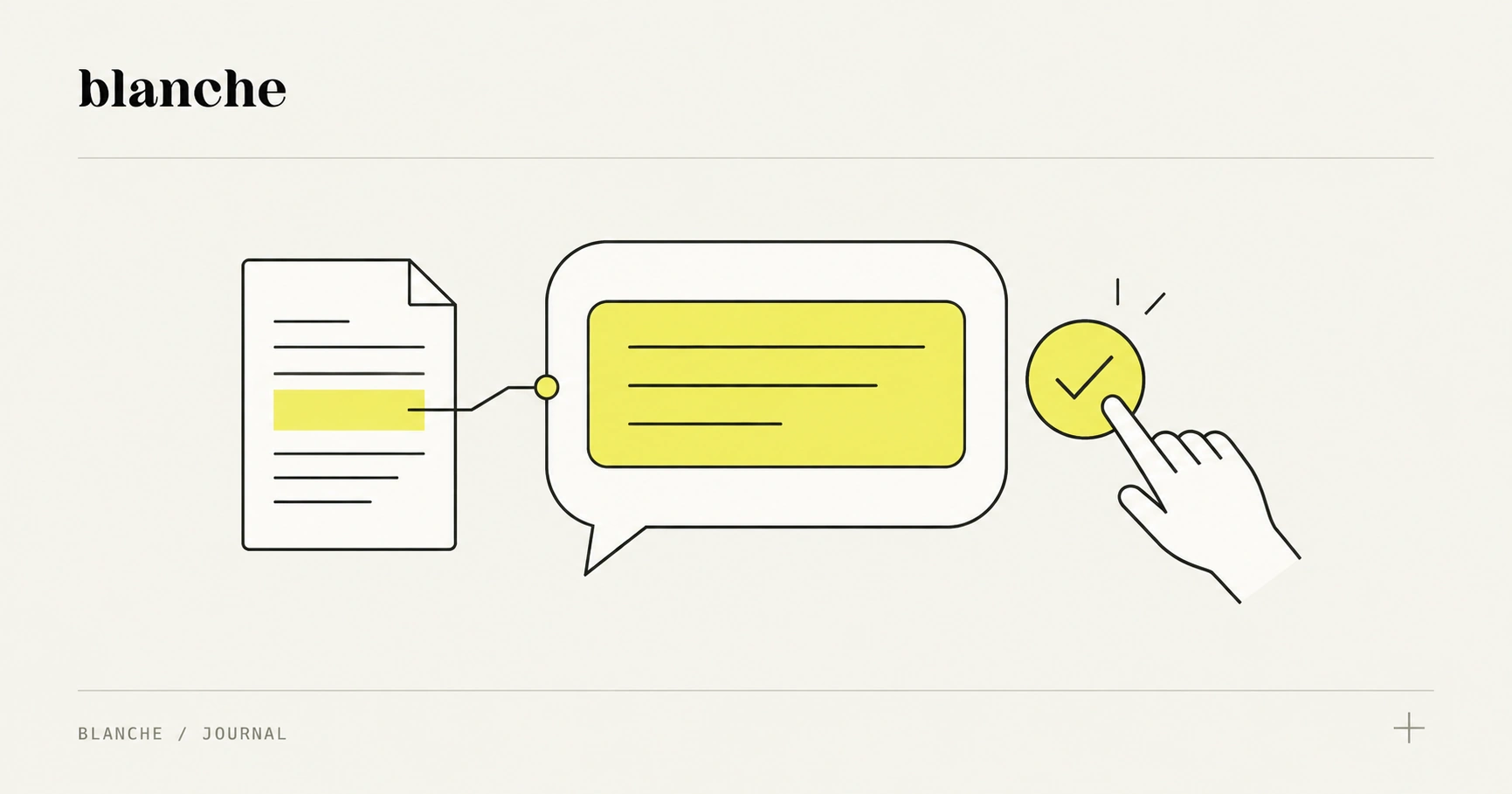
Design AI assistants around trust
Most AI features don’t fail because the model is “bad”—they fail because the UX makes promises the system can’t keep. Here’s how to design AI assistants like real products: with clear boundaries, graceful failure, human-in-the-loop workflows, and trust you can measure.
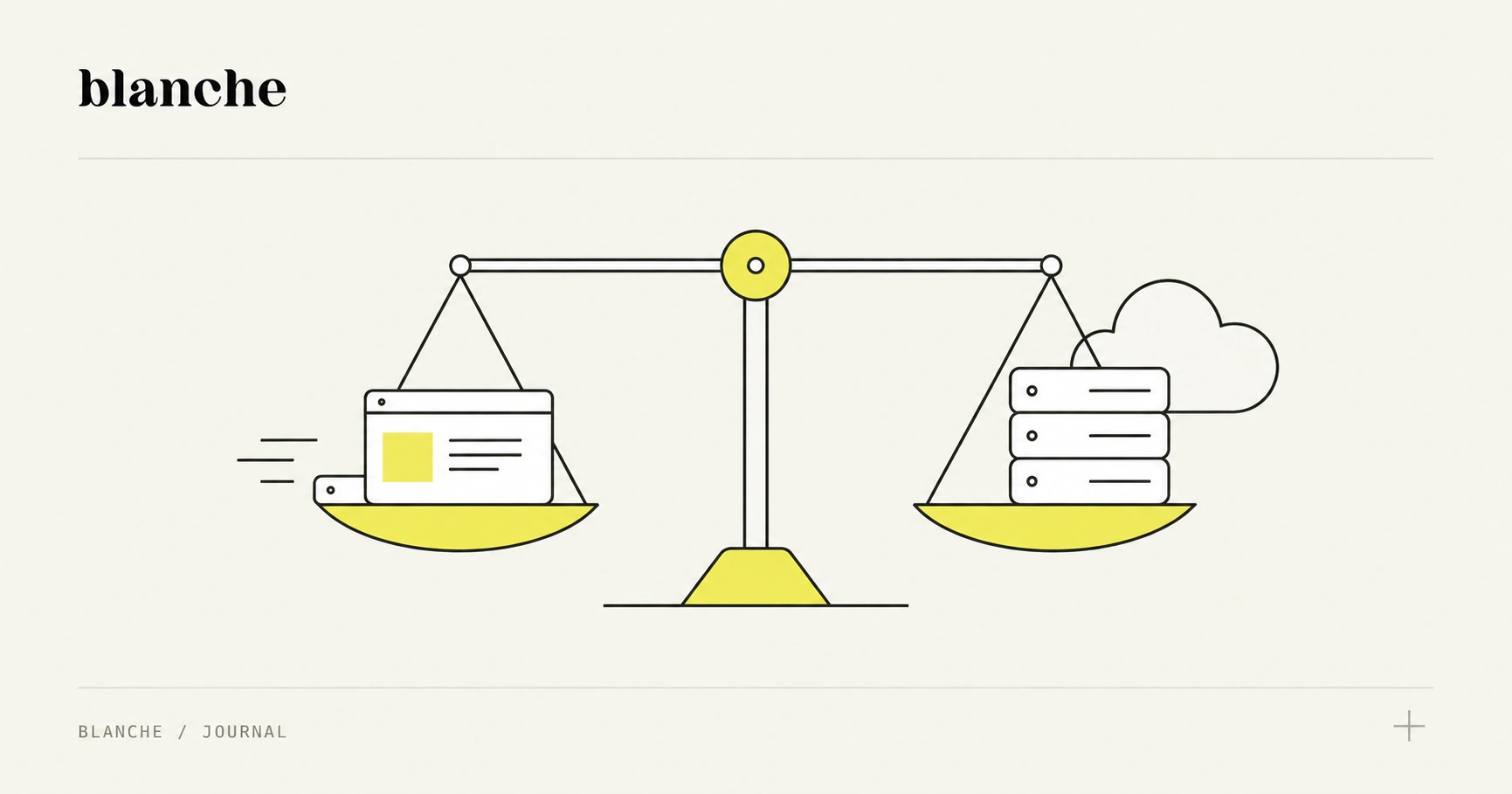
Decide when edge rendering earns its place
If your edge strategy is “lower TTFB at all costs,” you’re probably optimizing the wrong thing. Here’s a practical decision framework for edge rendering, streaming, and caching based on business outcomes—not performance theater.
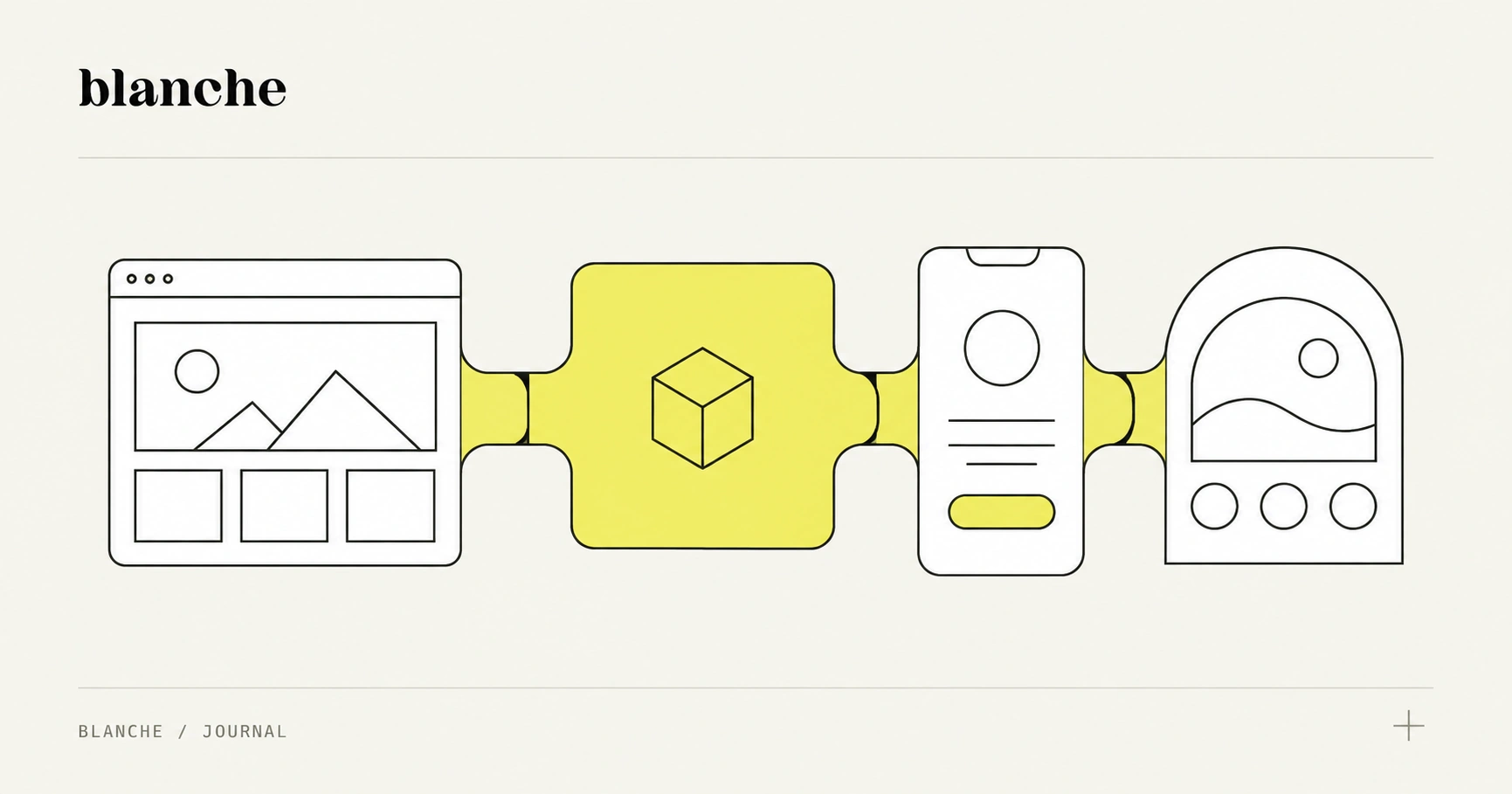
Build flexible components for client work
Most agency design systems don’t fail because the UI is bad—they fail because the system becomes a gatekeeper. Here’s how to build flexible constraints, lightweight governance, and migration paths that keep shipping fast across clients and brands.
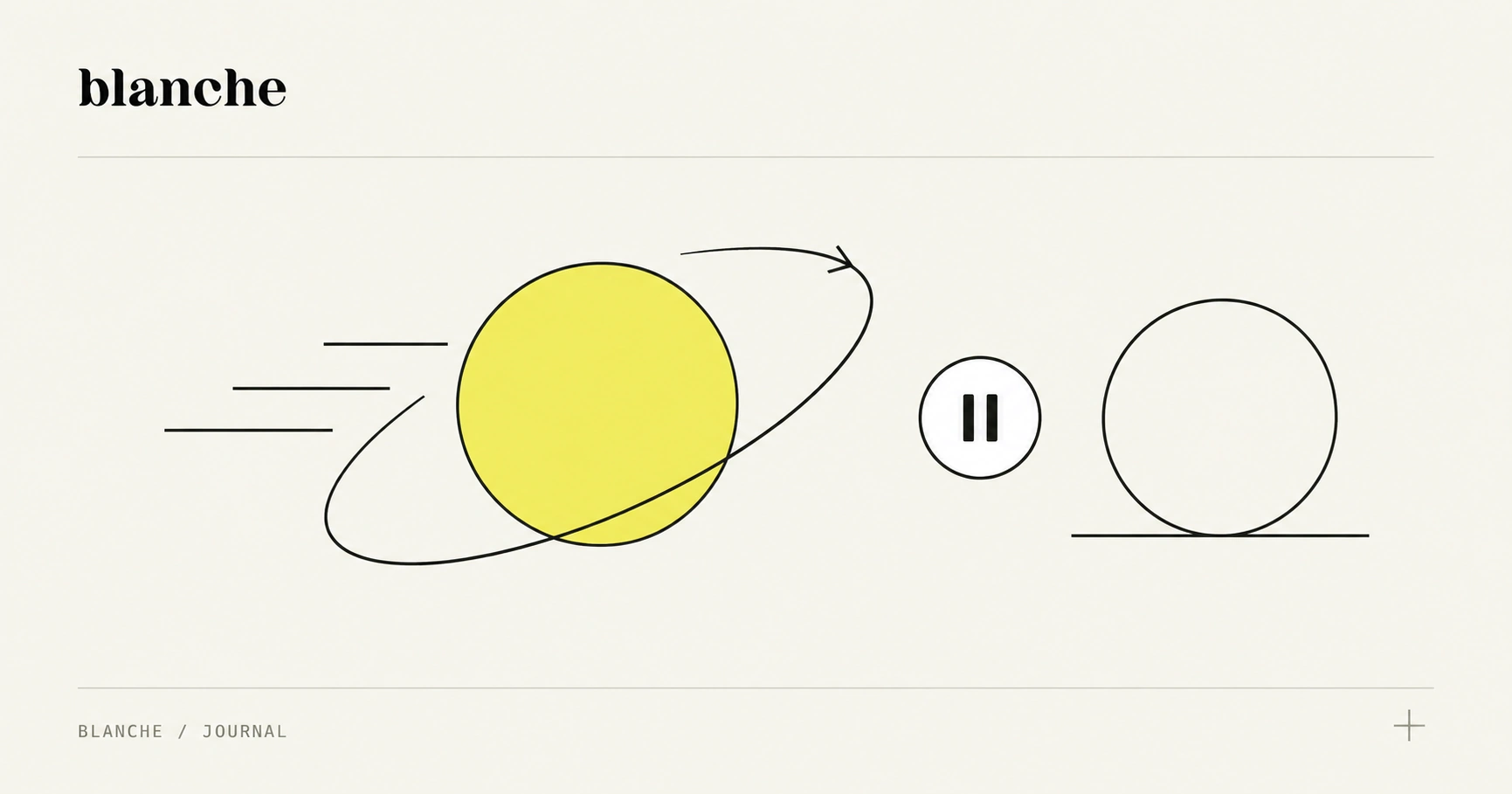
Keep motion expressive and accessible
If your “reduced motion” experience feels like the site is falling apart, your motion system isn’t accessible—it’s unfinished. Here’s how to ship Awwwards-level polish that respects user preferences, stays performant, and still delights.
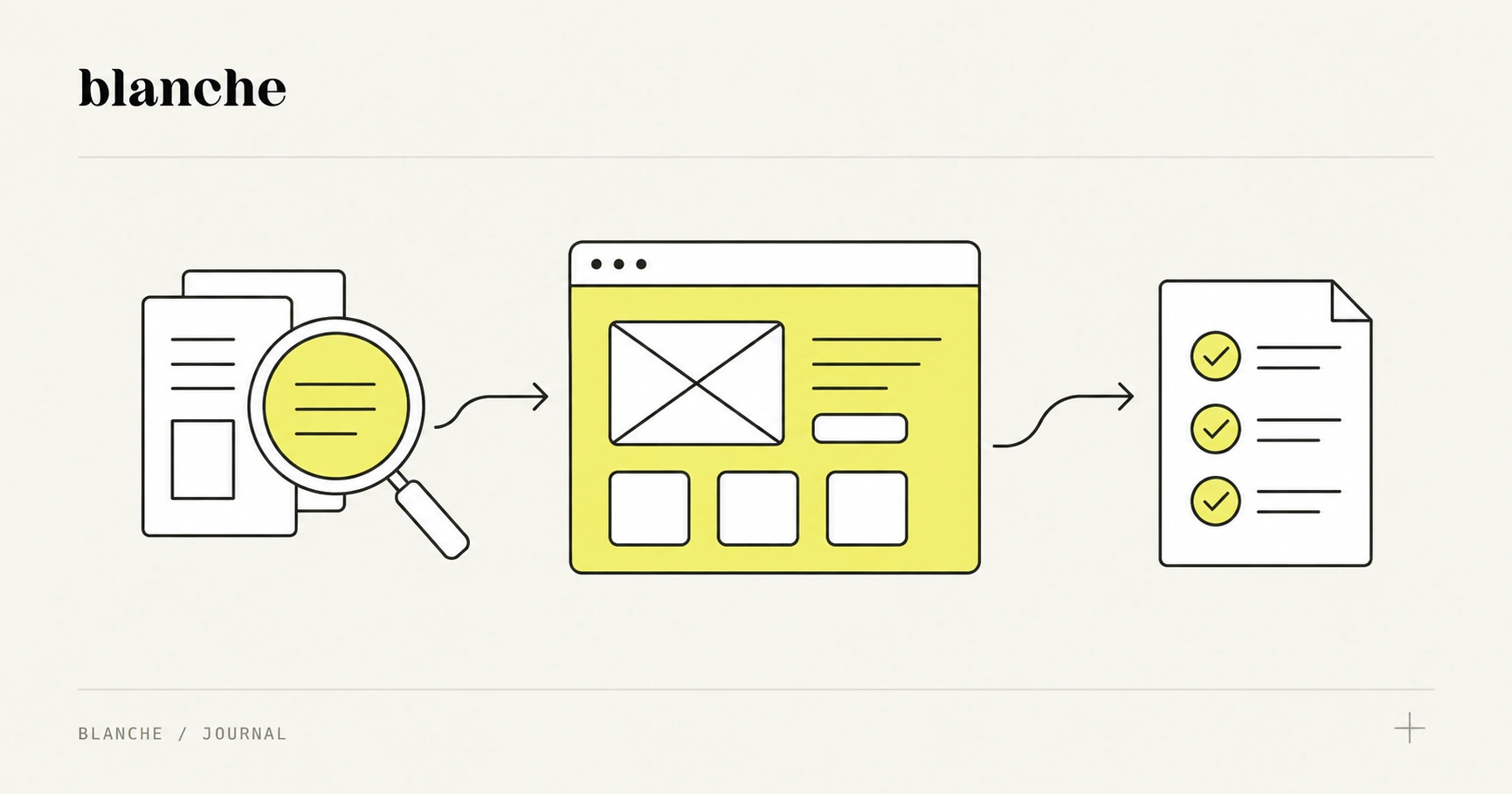
Structure an AI-assisted MVP sprint
Most MVPs don’t fail because the team can’t build—they fail because they build the wrong thing for too long. Here’s a repeatable 30-day venture studio workflow that blends no-code, lightweight code, and AI to validate demand before you scale engineering.
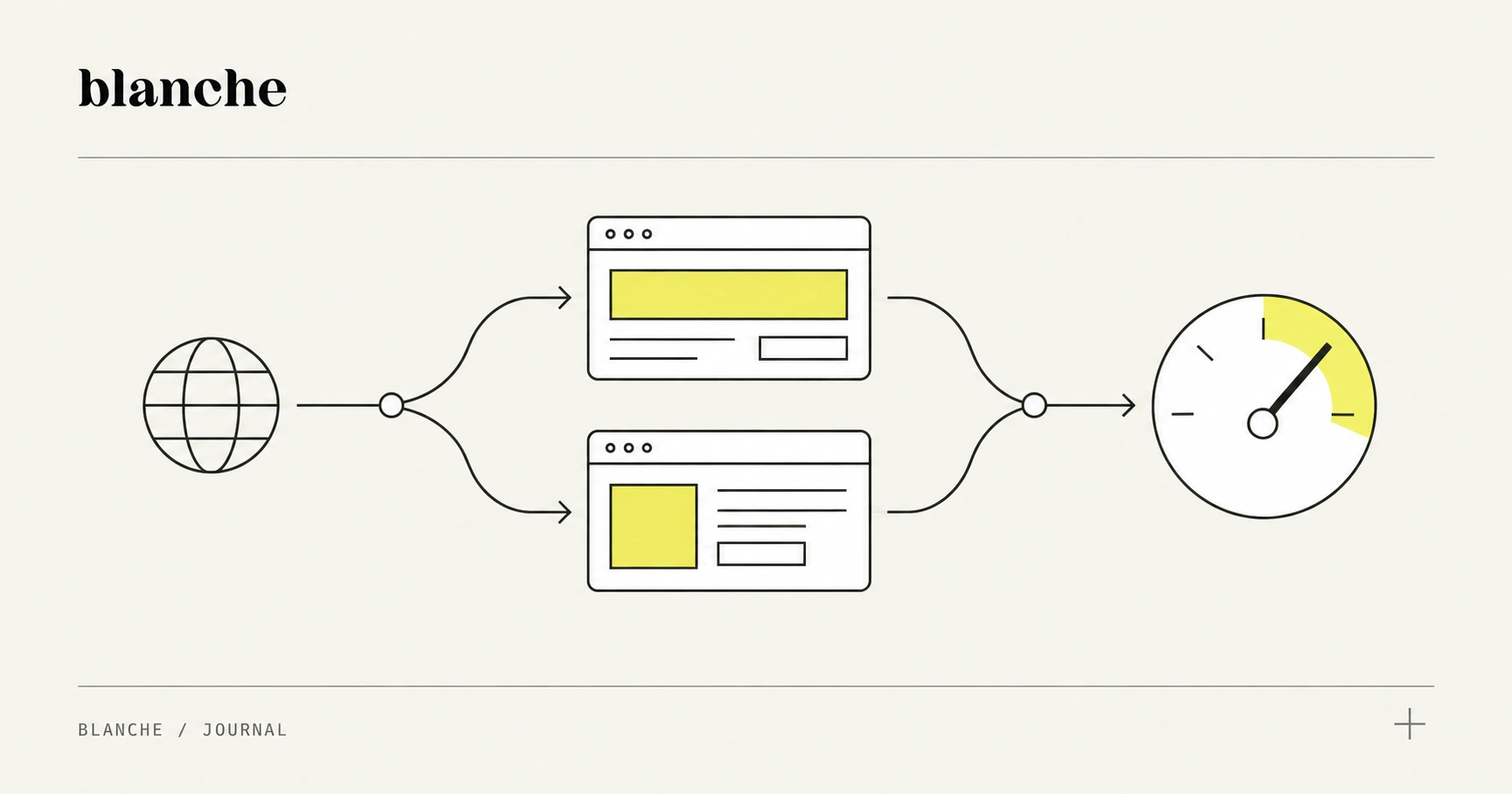
Run landing-page experiments at the edge
If your landing pages take two weeks to ship a new headline, you don’t have a creativity problem—you have an architecture problem. Here’s how studios use edge rendering, feature flags, and clean analytics to run weekly experiments without turning marketing into an engineering queue.
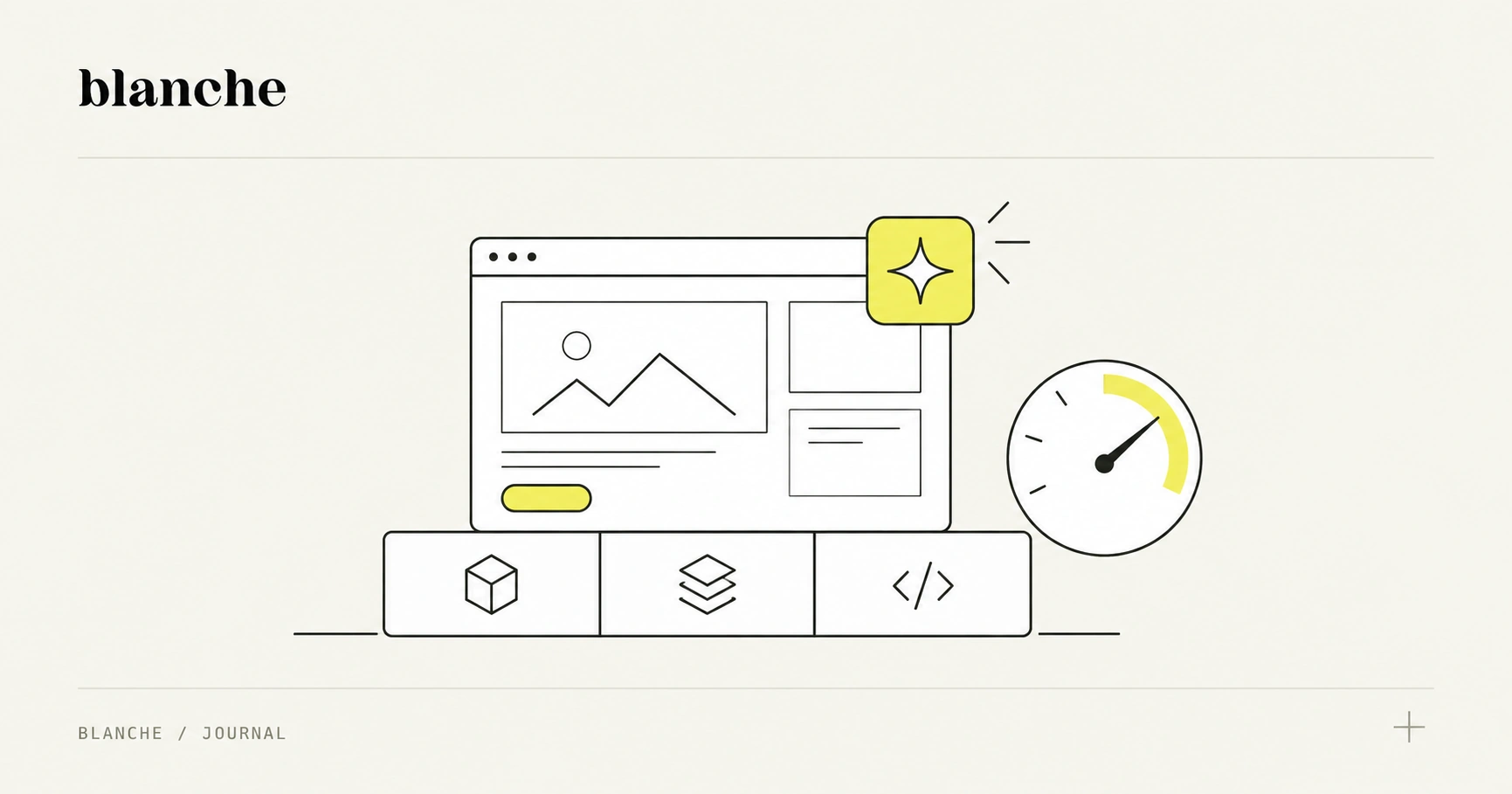
Build fast agency websites with useful AI
If your agency site needs a hero video, buttery transitions, and a premium feel—but also has to load fast and convert—your stack can’t be a collage of plugins and one-off pages. Here’s a pragmatic blueprint for design systems, content modeling, and AI assistants that improve client experience without eroding trust.
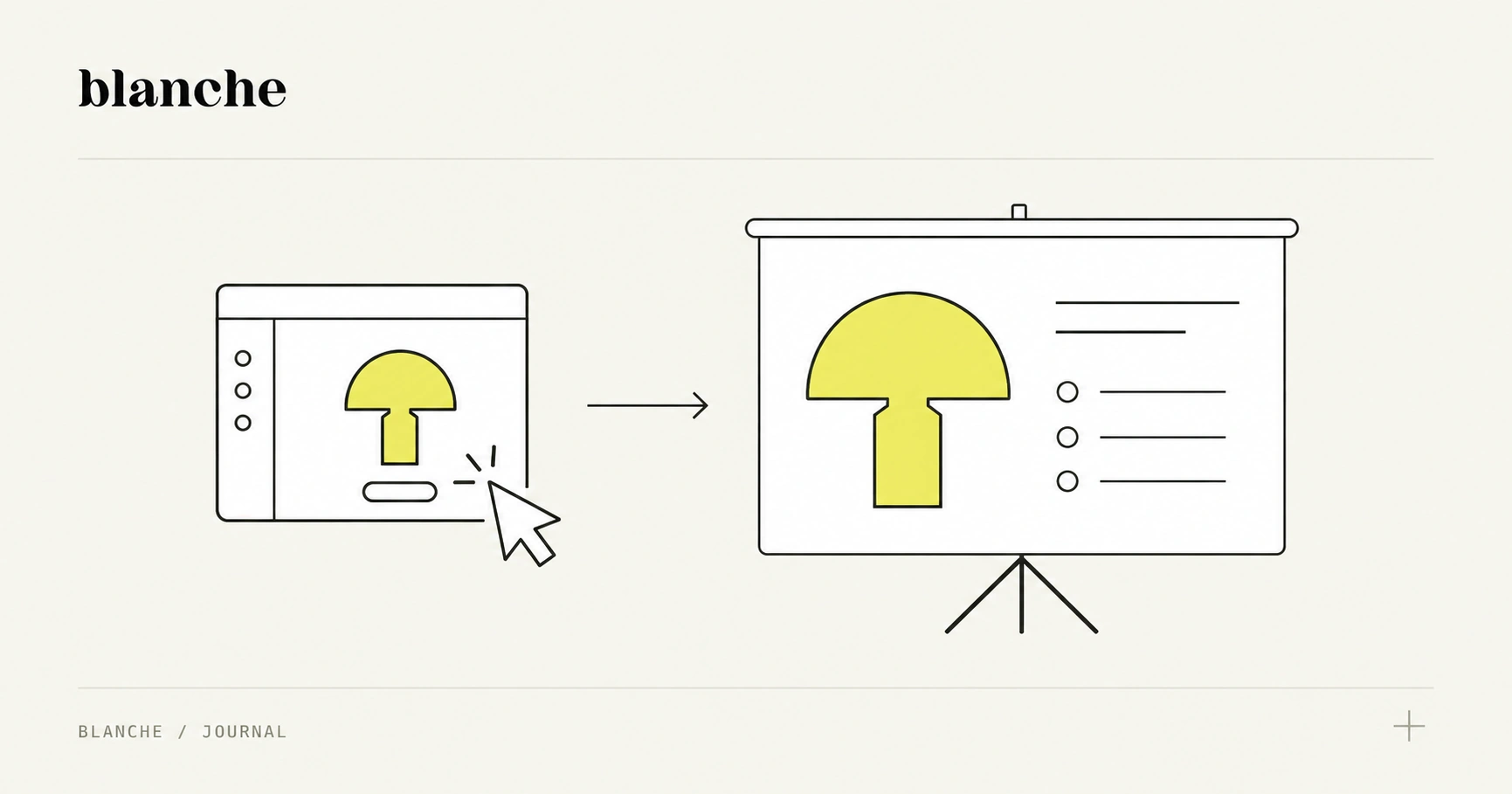
Take a prototype from demo to pitch
What if you could go from a fuzzy idea to an investor-ready story, demo, and early traction signals in 30 days—without turning your team into a content factory? This execution-heavy sprint plan shows how venture studios use AI to move faster while staying grounded in real customer truth.
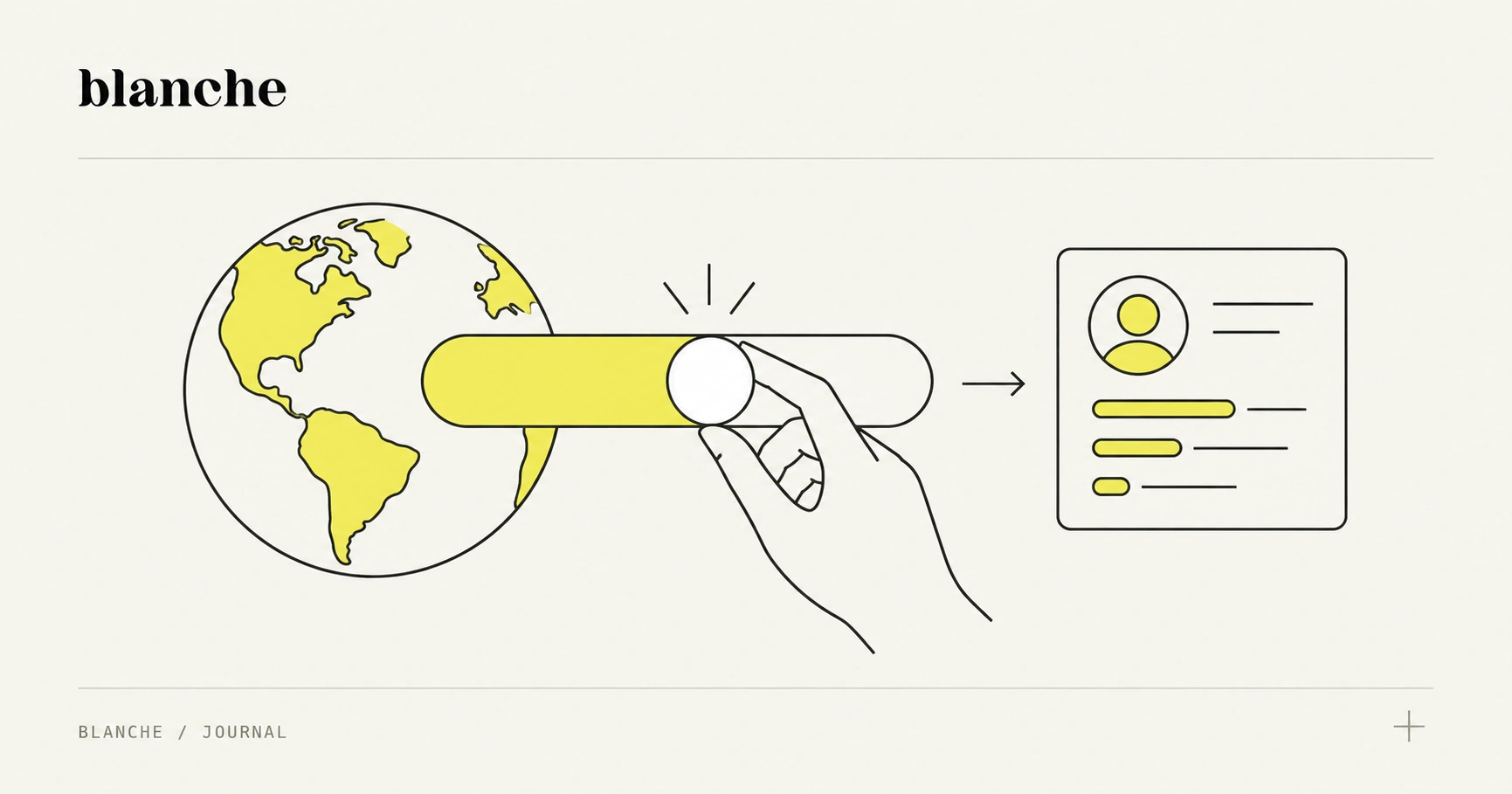
Personalize at the edge with user control
Personalization doesn’t have to mean profiling people. This Next.js playbook shows how to ship “it feels tailored” UX at the edge using context—not identity—plus caching, experiments, and measurement that won’t turn your product into a surveillance machine.
100 / 134 ARTICLES
Load more articles