
The full collection.
Browse our published articles by date, topic or keyword.
134 ARTICLES
NEWEST FIRST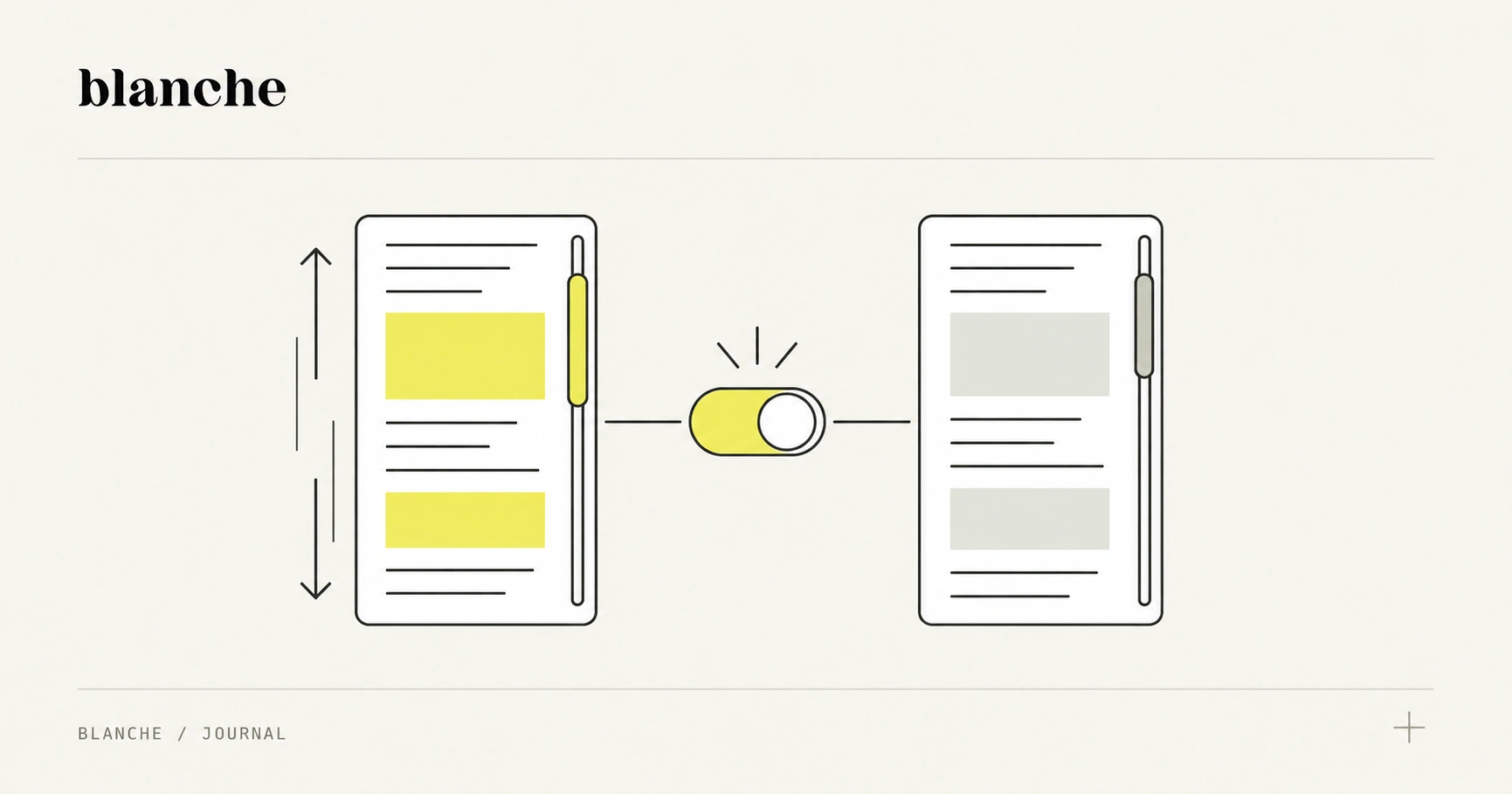
Make scroll effects accessible
Motion can clarify intent—or quietly sabotage usability with nausea, jank, and keyboard traps. Here’s an accessibility-first playbook for using scroll effects, parallax, and micro-animations with intensity tiers, performance guardrails, and a QA checklist your studio can adopt immediately.
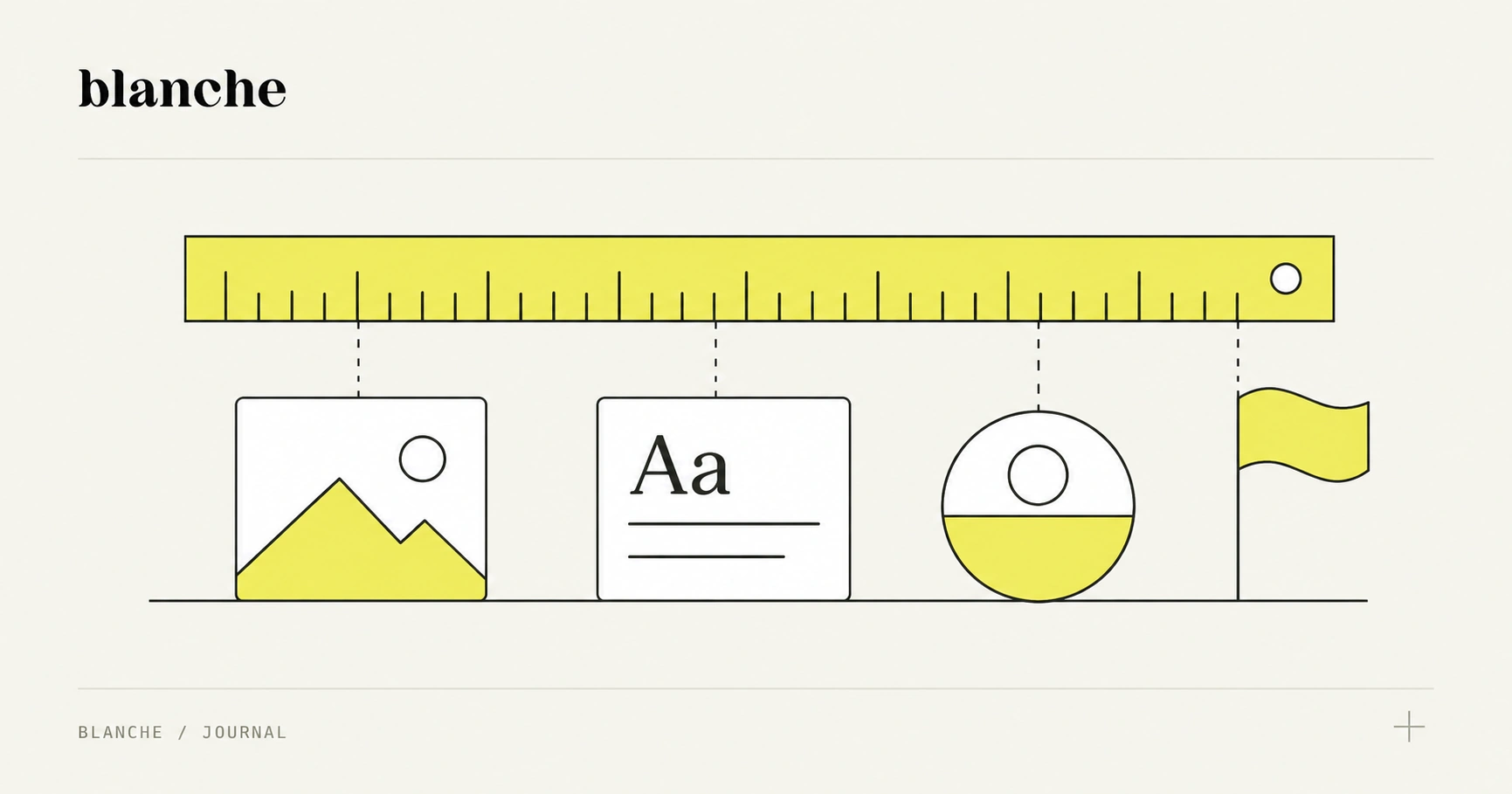
Set clear rules for agency design systems
Most agency design systems fail for one reason: they optimize for screenshots, not shipping. Here’s how to build a token-first, governance-light system that protects margins, speeds delivery, and survives real client work.
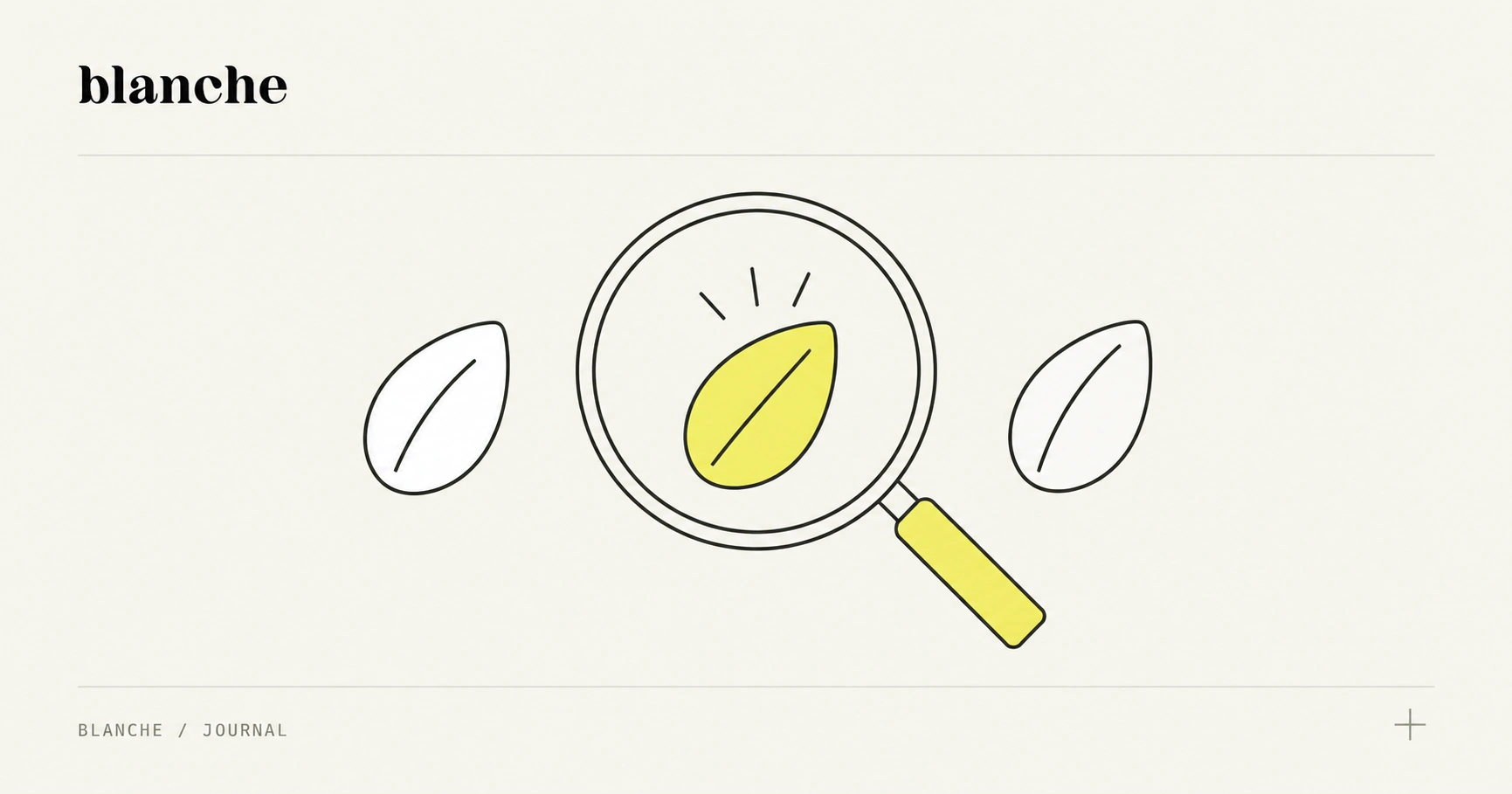
Test startup ideas before scaling the build
Most studios don’t fail because they can’t build—they fail because they validate too slowly, with the wrong signals. Here’s a 30-day, operator-grade cadence to test five ideas in parallel, get to pricing conversations fast, and kill weak bets early without burning your team.
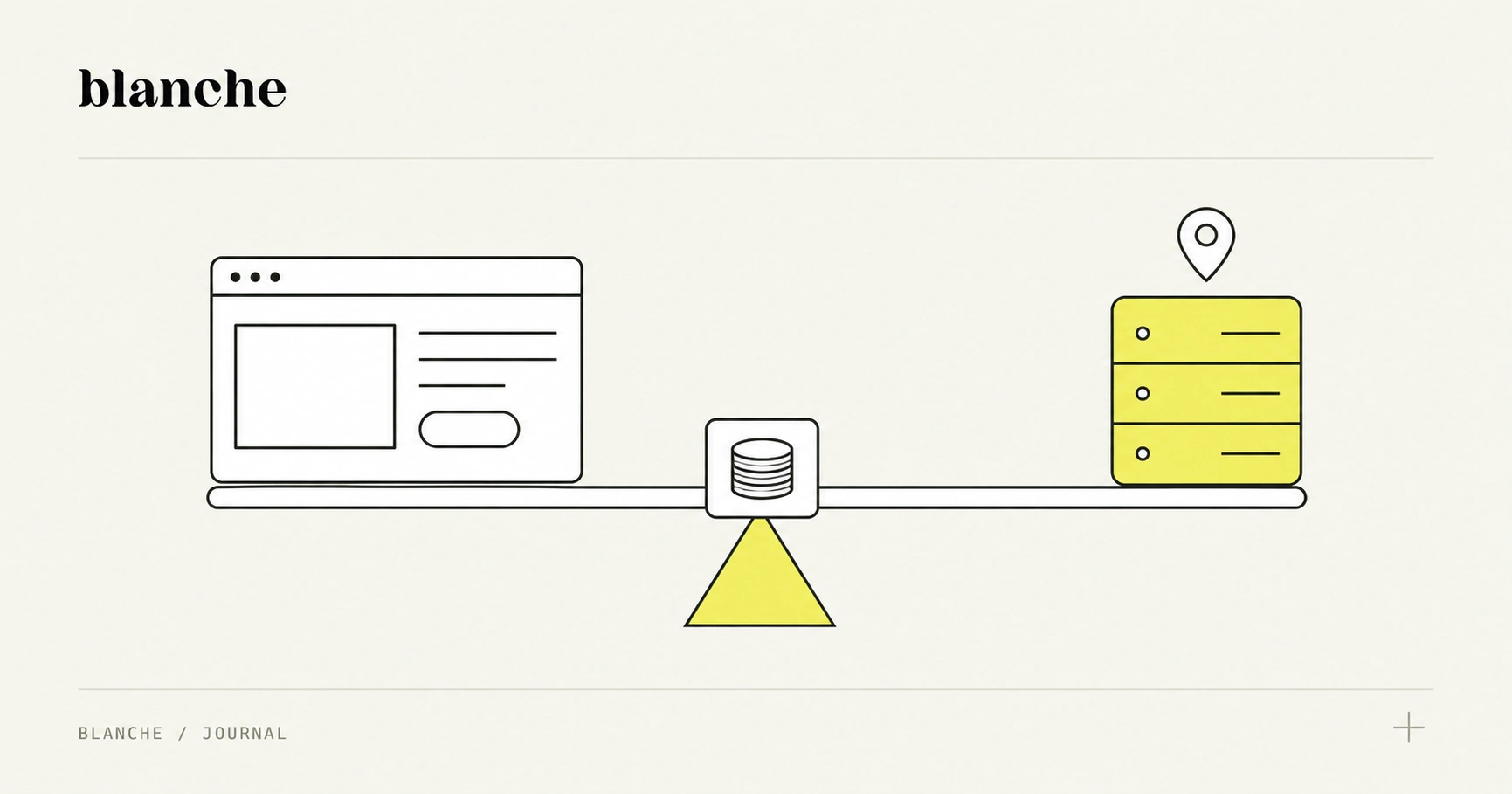
Understand Next.js edge performance tradeoffs
Edge rendering can be a cheat code—or a self-inflicted latency tax. Here’s how to choose SSR, SSG, ISR, PPR, and Edge Runtime based on real page behavior, caching mechanics, and what your dashboards will actually show in production.
Accessibility audits that keep shipping
Most accessibility advice fails at the moment it meets a sprint board. This guide turns a11y into a repeatable audit-to-remediation workflow—tools, triage, design-system patterns, and team habits that keep improvements from regressing.
Combine motion and minimalism in web design
Most “modern” websites look expensive—and convert like a brochure. Here’s a practical, opinionated checklist to turn 2026’s biggest design trends into measurable lifts in clarity, completion, and revenue.
Build faster marketing sites at the edge
Marketing sites don’t have to choose between “static and fast” or “dynamic and messy.” Edge rendering lets agencies ship globally fast pages with lightweight personalization—without turning the CMS, cache, and SEO into a fragile science project.
AI prototyping for venture studios
Most venture studios don’t fail from lack of ideas—they fail from slow feedback and fast self-deception. Here’s a 10-day, AI-accelerated sprint that forces real validation (problem, ICP, pricing) before you fall in love with demo-ware.
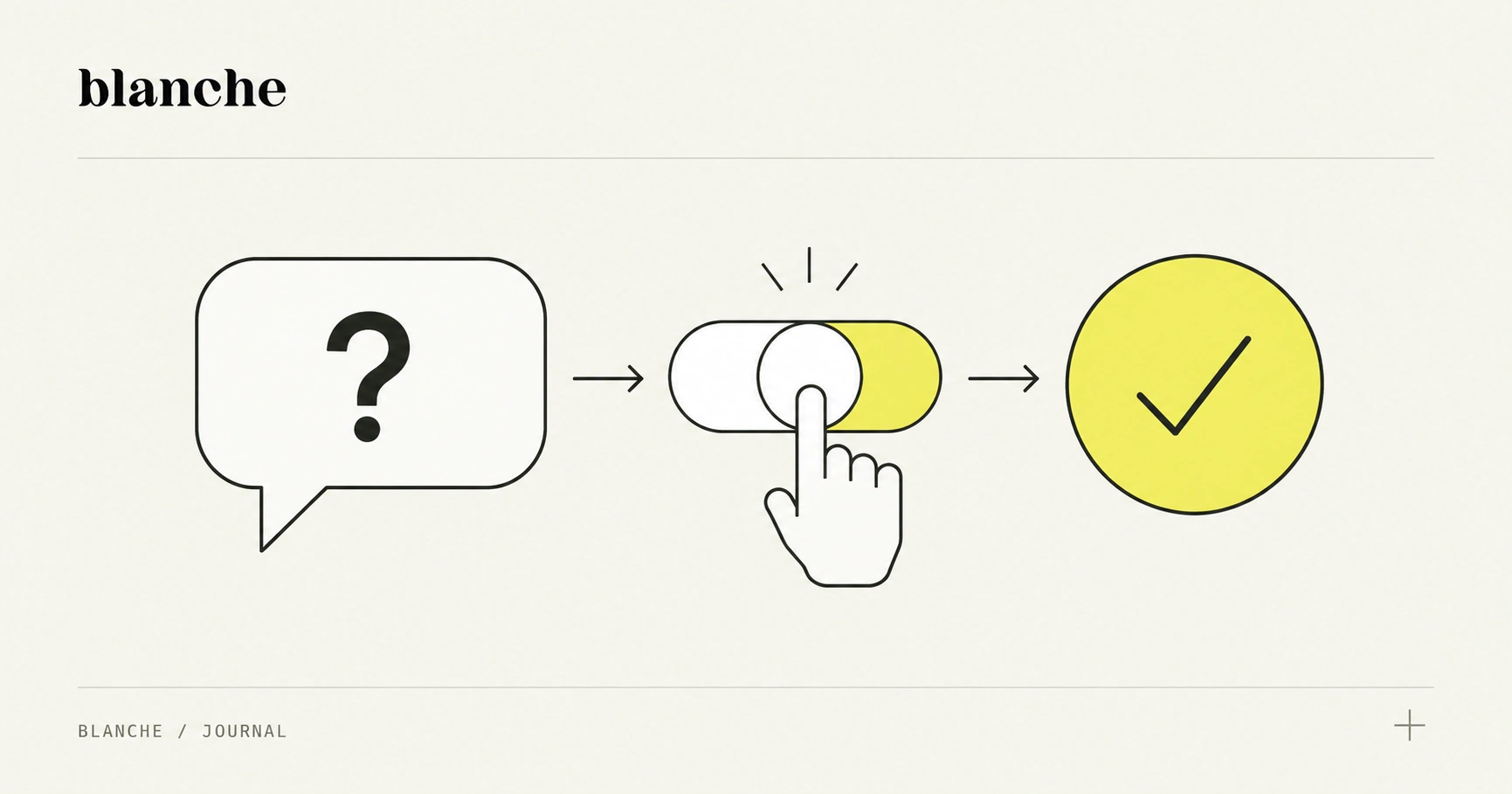
Handle uncertainty in AI assistant design
If your AI feature needs a demo script to look impressive, it’s probably not helping users. This guide breaks down the interaction patterns, trust mechanics, and failure-state design that turn “AI” into a product people rely on.
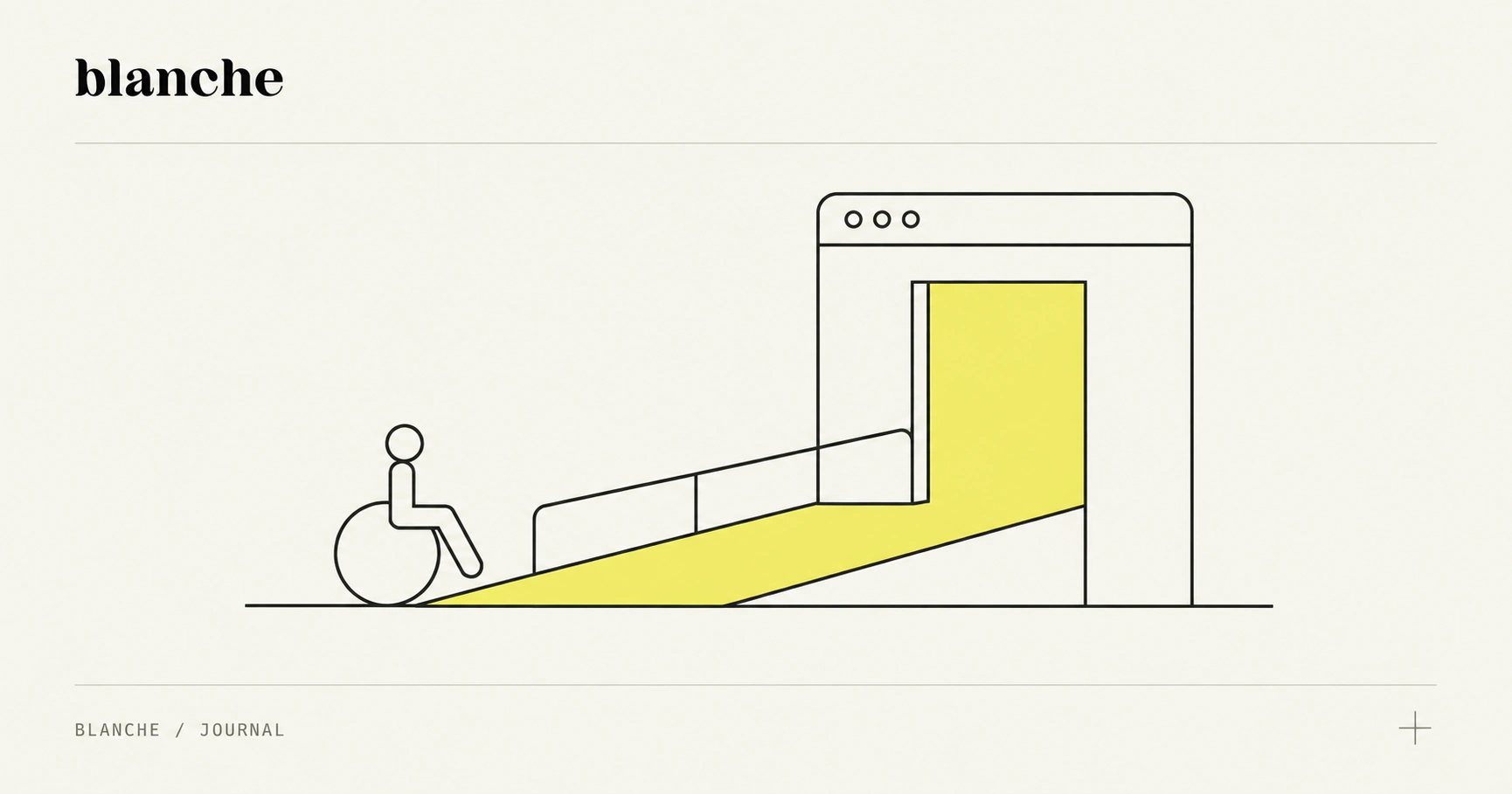
Accessibility as a design constraint
What if the fastest way to make your work feel more premium wasn’t a new typeface or animation library—but accessibility? Treat a11y as a creative constraint and you’ll ship interfaces that are cleaner, calmer, more intentional—and usable by more people.
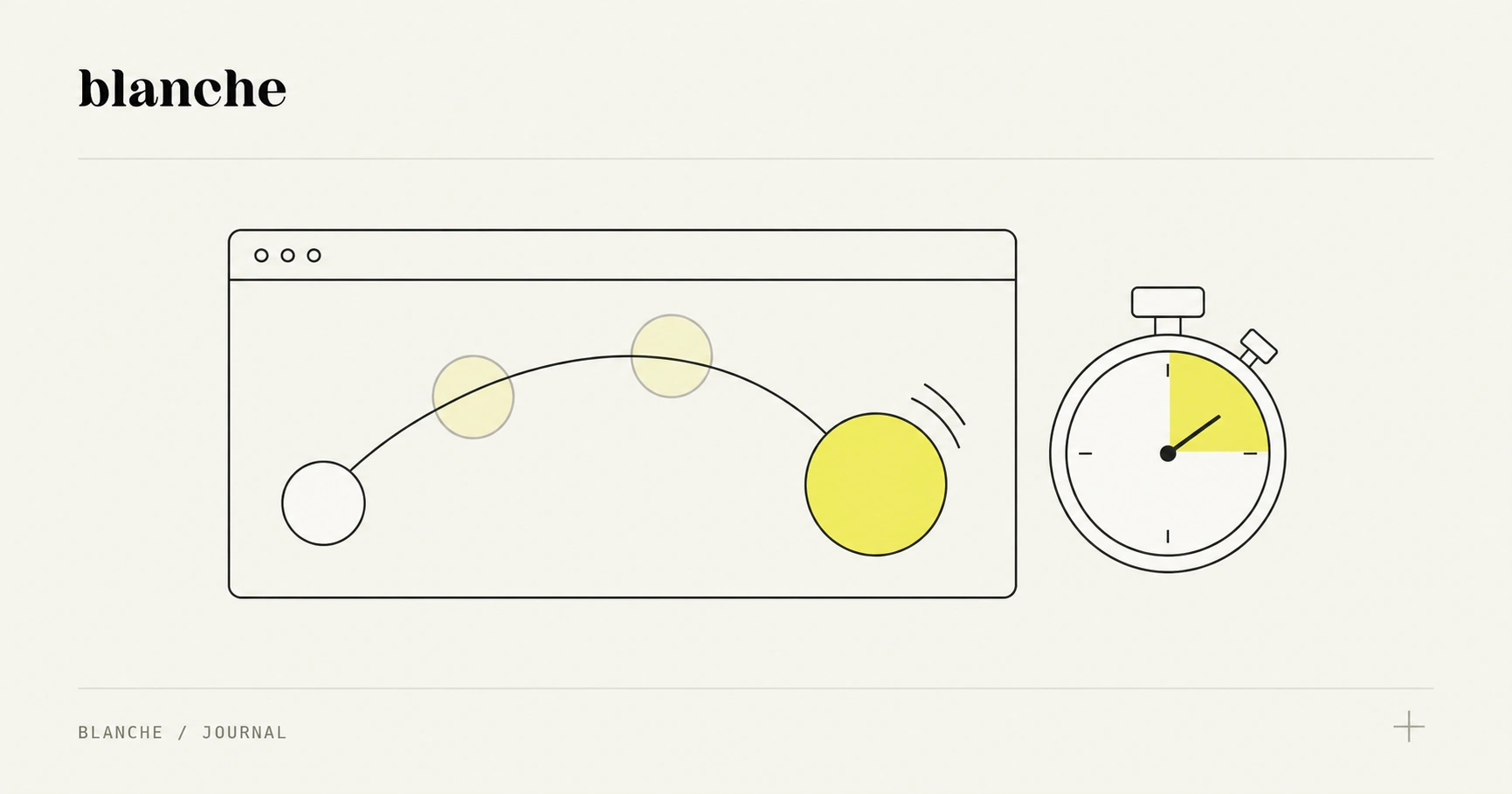
Animate a website without slowing it down
Motion is selling again—but Google still grades you like an engineer. Here’s a practical, opinionated playbook for shipping scroll stories, micro-interactions, and “wow” moments that stay inside performance budgets.
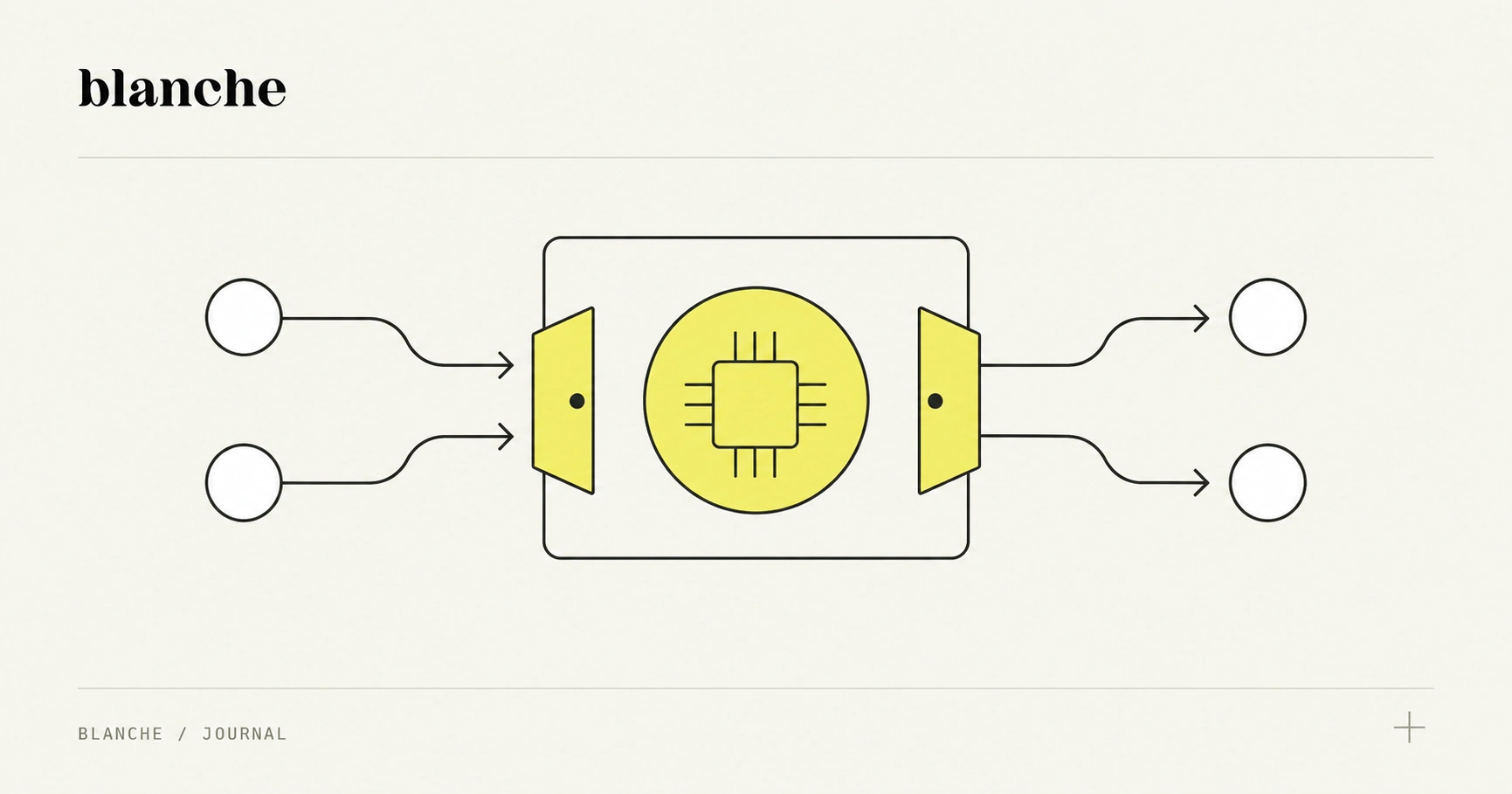
Build AI MVPs with clear boundaries
Most AI MVPs don’t fail because the model is “bad”—they fail because the product has no boundaries. Here’s a venture-studio blueprint for shipping an LLM-powered MVP that’s coherent, testable, and ready to scale.
Set performance budgets for edge websites
Most teams treat performance like a cleanup task. Edge-first delivery flips it into a measurable revenue lever—by budgeting speed against real user journeys, choosing the right rendering model, and proving impact with RUM and Core Web Vitals.
Hand over a design system that lasts
A design system isn’t “done” when it looks polished—it’s done when a client team can evolve it without you. Here’s the practical playbook for token pipelines, documentation that actually gets used, and lightweight governance that prevents drift.
Show the value of work in your portfolio
If your portfolio still looks like a glossy gallery, you’re asking prospects to do the hardest work: guessing your impact. The modern studio portfolio proves ROI in 60 seconds—using micro-case studies, performance proof, and motion that sells without slowing down.
Validate AI products beyond the demo
AI can cut weeks off discovery and prototyping—but it can also tempt teams into shipping shiny demos that don’t survive first contact with real workflows. Here’s an operator-grade playbook for venture studios to validate faster, earn trust early, and turn an MVP into something defensible.
Keep accessibility through a rebrand
Most accessibility regressions don’t happen because teams don’t care—they happen because rebrands change the inputs, and accessibility isn’t encoded in the system. Here’s how to make inclusive behavior part of your UI library’s source of truth with tokens, component contracts, and CI-backed governance.
Next.js rendering and cache trade-offs
Edge rendering can be a performance win—or an expensive distraction. Here’s a no-nonsense decision framework for choosing SSR/ISR/SSG (and partial prerendering-style patterns), designing caches that survive real traffic, and measuring what actually moves Core Web Vitals.
Connect design systems, AI and no-code
Agencies don’t lose craft because they move fast—they lose it because they move fast without a system. Here’s a practical, system-first playbook for combining design systems, AI copilots, and no-code delivery while keeping UX, performance, and brand quality uncompromised.
Prove demand before you build
Most teams don’t fail because they can’t build—they fail because they build before they’ve forced the market to commit. Here’s a 14-day validation sprint venture studios can run to get real demand signal using landing pages, concierge MVPs, and lightweight prototypes—without hiding behind vanity metrics.
120 / 134 ARTICLES
Load more articles